
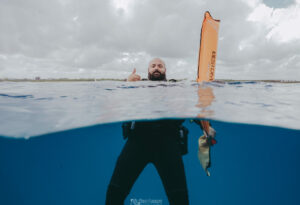
In 2026, the Riviera Maya is going through its worst sargassum season on record.
The amounts have already passed the 2025 records, with more than 105,000 metric tons collected and nearly 119,000 metric tons expected by the end of the year.
Millions of tons are also floating in the Caribbean, with significant costs for the region and the tourism industry.
Before you leave for Mexico, you can check the state of the beaches in real time with the live webcams available online ↓
What is sargassum?
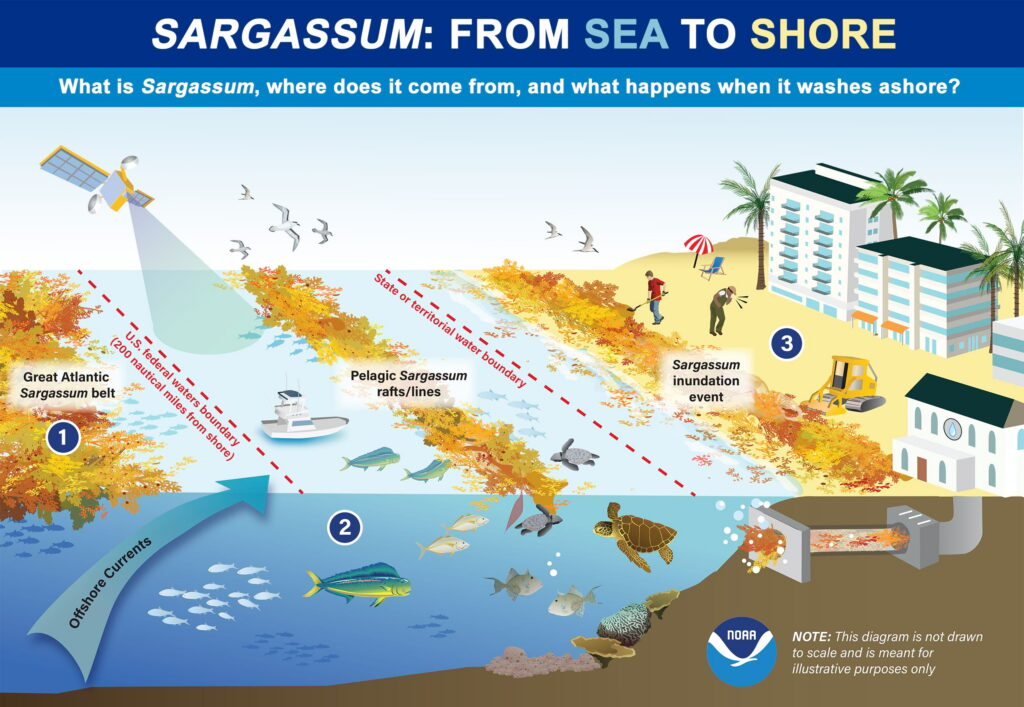
Sargassum (Sargassum spp.) is a brown seaweed that floats on the surface of the Atlantic Ocean, especially in the famous Sargasso Sea.
Naturally present in this ecosystem, it plays an essential role, serving as shelter and a source of food for many marine species.
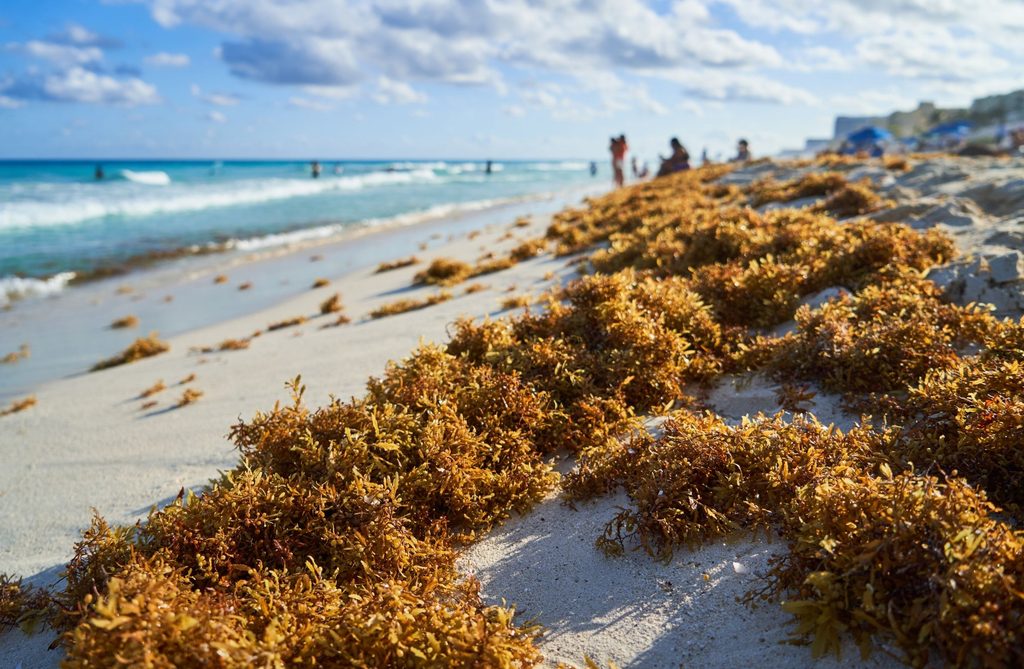
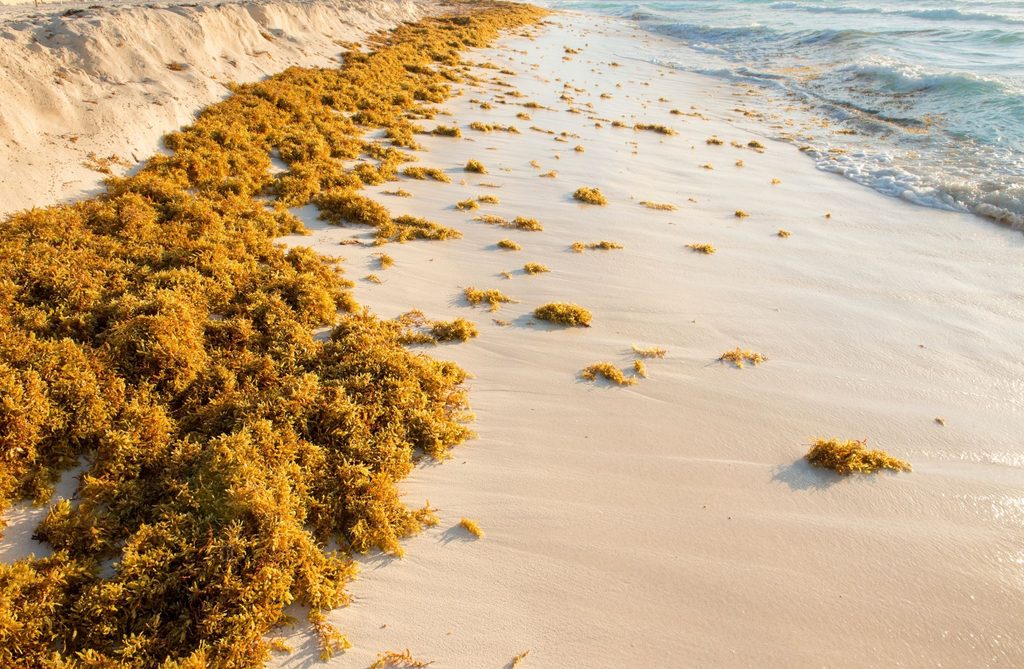
However, for about fifteen years, large concentrations of sargassum have been developing in the tropical Atlantic.
Carried by ocean currents and winds, these masses of seaweed then head toward the Caribbean and the Gulf of Mexico, all the way to the beaches of Quintana Roo.
Where is the sargassum in Mexico?
Beaches facing east and southeast, directly exposed to the Caribbean Sea, are the most affected by sargassum.
Tulum, Playa del Carmen, Cancún, Puerto Morelos, Akumal and Mahahual are among the most affected areas.
In July 2026, only 5 out of 140 beaches in the Riviera Maya were considered clean, with no significant sargassum.
The phenomenon isn’t new in Mexico, but it has intensified sharply since 2018, a year marked by an exceptional arrival of sargassum on the coasts of Quintana Roo.
On the other hand, the main Pacific destinations, such as Puerto Vallarta, Puerto Escondido, Acapulco and Los Cabos, are generally not affected by this phenomenon.
When is sargassum season in Mexico?
The presence of sargassum on the beaches of Cancún and the Riviera Maya depends mainly on ocean currents, winds, the weather and the time of year.
Sargassum season generally runs from March to August, with much less sargassum between October and early March.
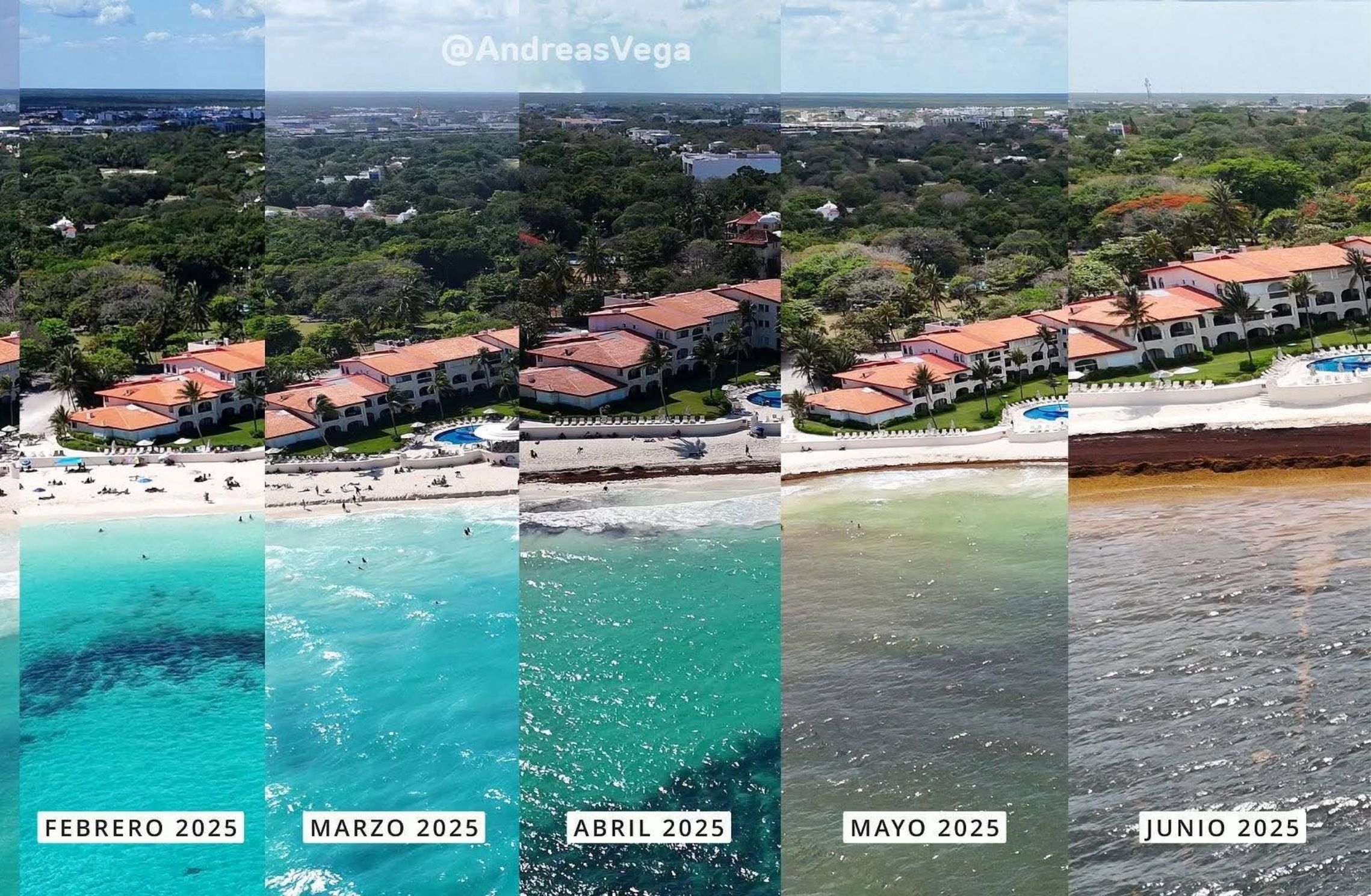
The amounts can vary greatly from one year to the next.
Weather conditions can also change the situation quickly. A storm can bring large amounts of seaweed onto the beaches, while north winds can push it away. Keep in mind that Quintana Roo offers plenty of alternatives to the beach.
Which beaches in Mexico have no sargassum?
Sargassum can affect a large part of the Riviera Maya’s beaches. However, not all destinations are affected in the same way.
Some islands benefit from their geographic orientation and are much less exposed. This is the case for Holbox, Isla Mujeres, Isla Contoy and the west side of Cozumel, where the beaches can stay completely clear.
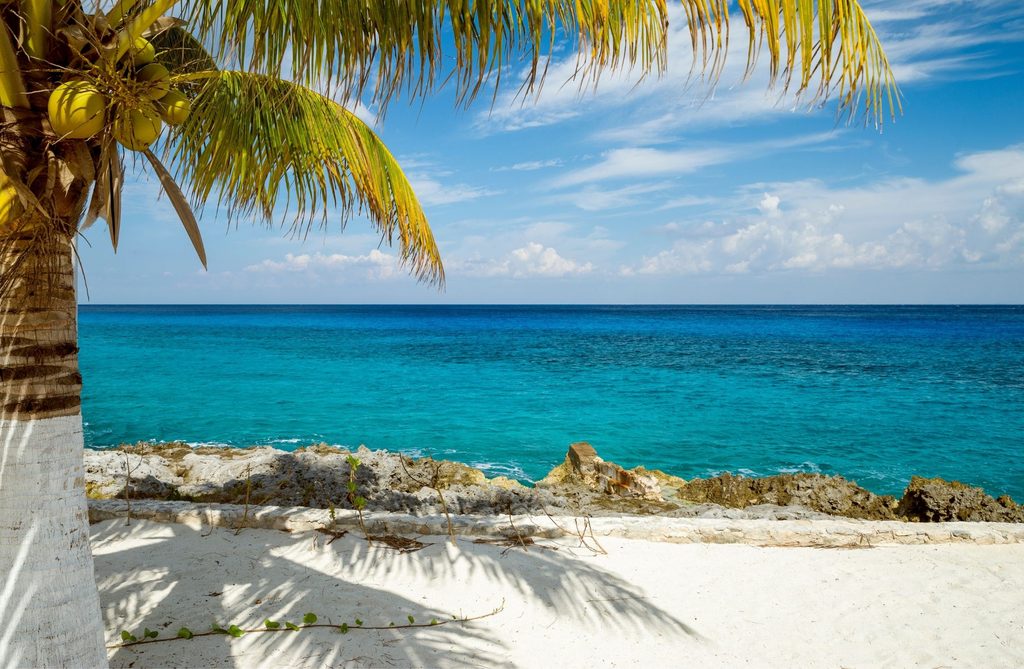
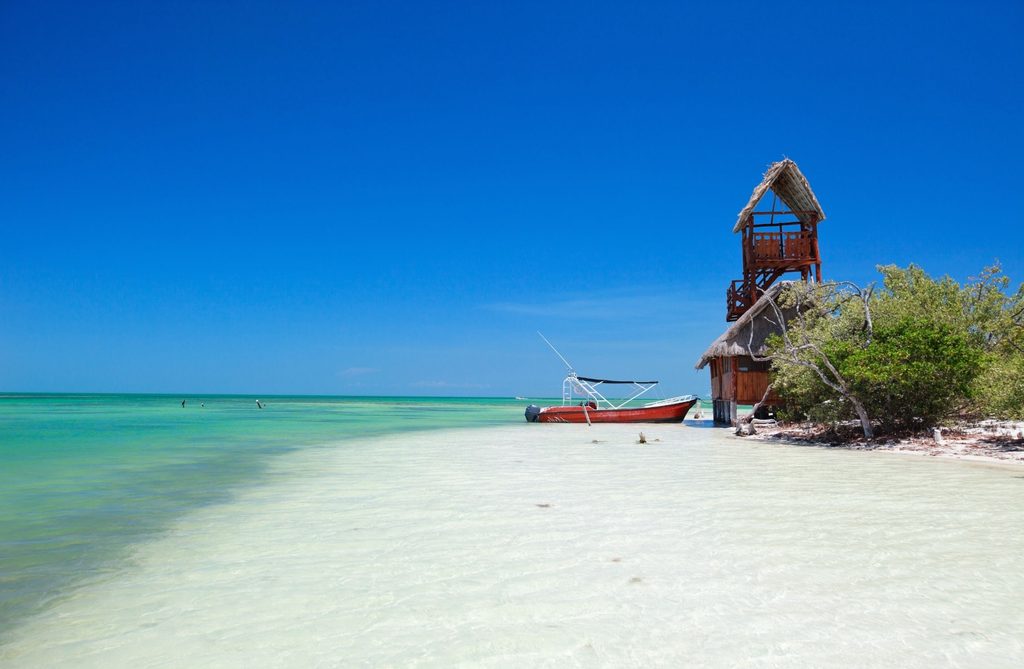
So it’s entirely possible to enjoy the Riviera Maya’s paradise beaches during your trip.
Finally, keep in mind that the situation can change quickly. Even in an area known to be badly affected, there can be several days without sargassum, or beaches that stay clean thanks to cleanup crews.
Does sargassum affect scuba diving in Mexico?
No, not necessarily.
At sea, sargassum stays mainly on the surface. It can make getting into the water from the beach more difficult.
The situation is generally different when the trip is by boat. By heading far enough from the coast, you can often find much clearer water.
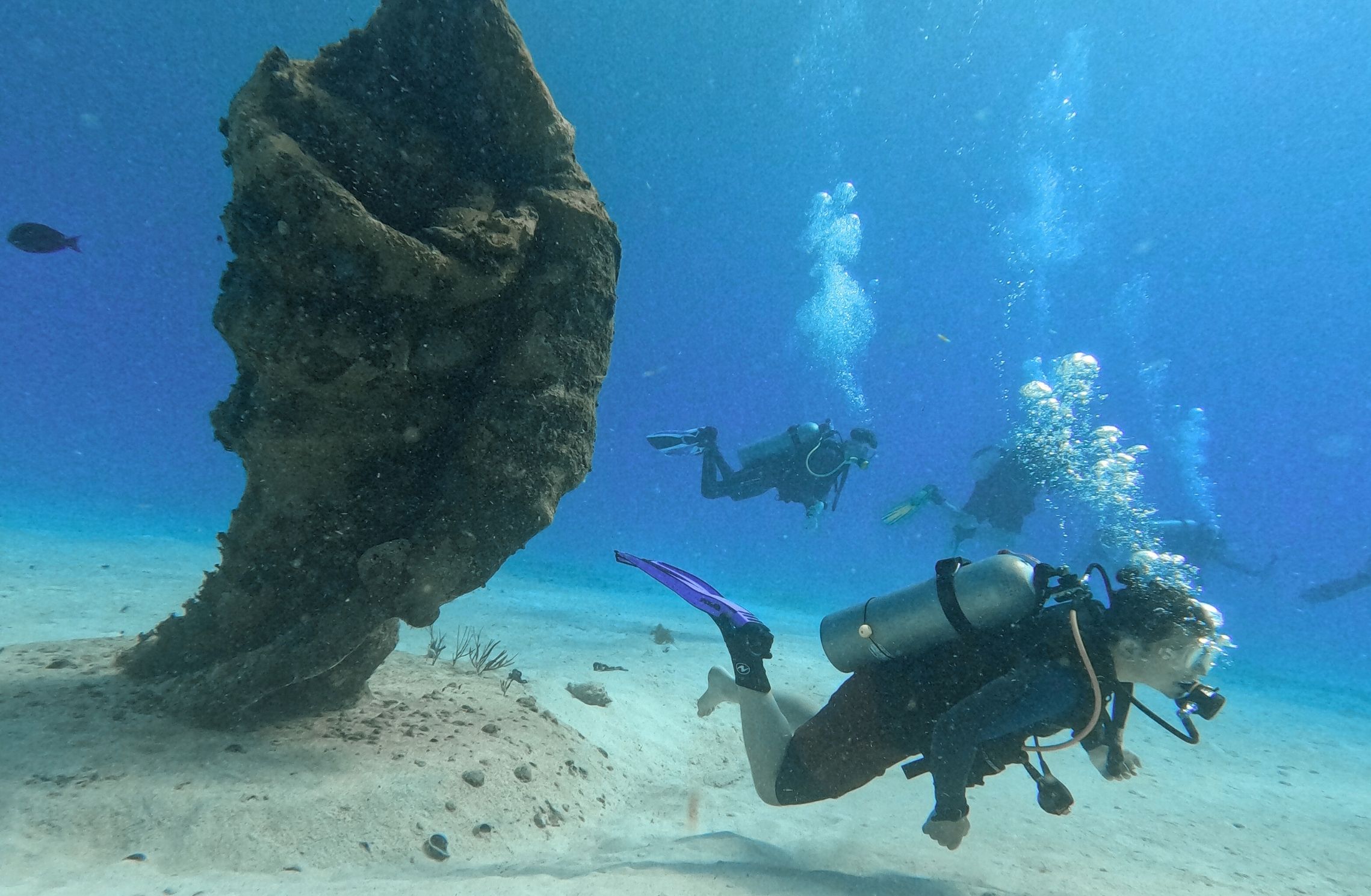
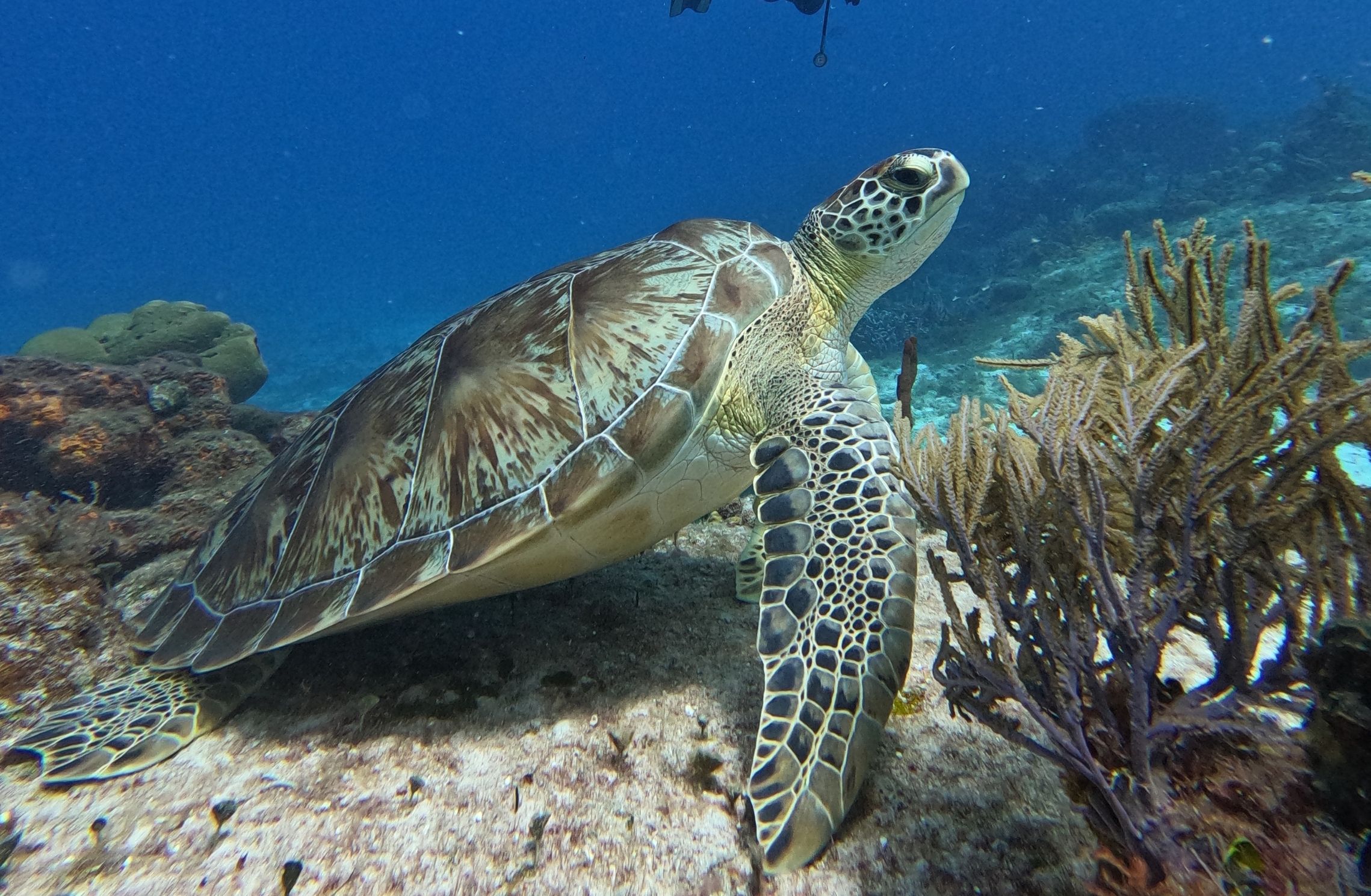
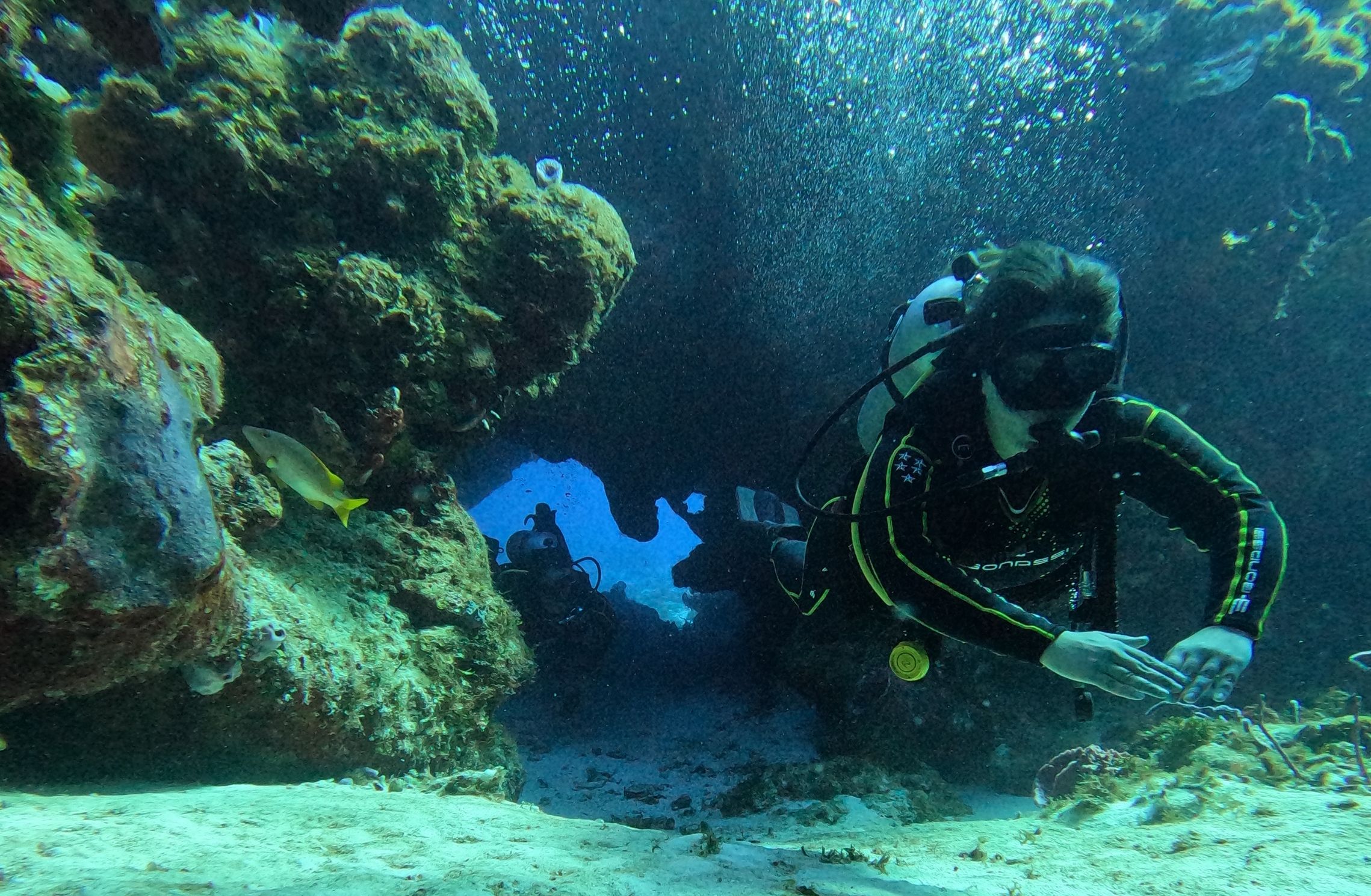
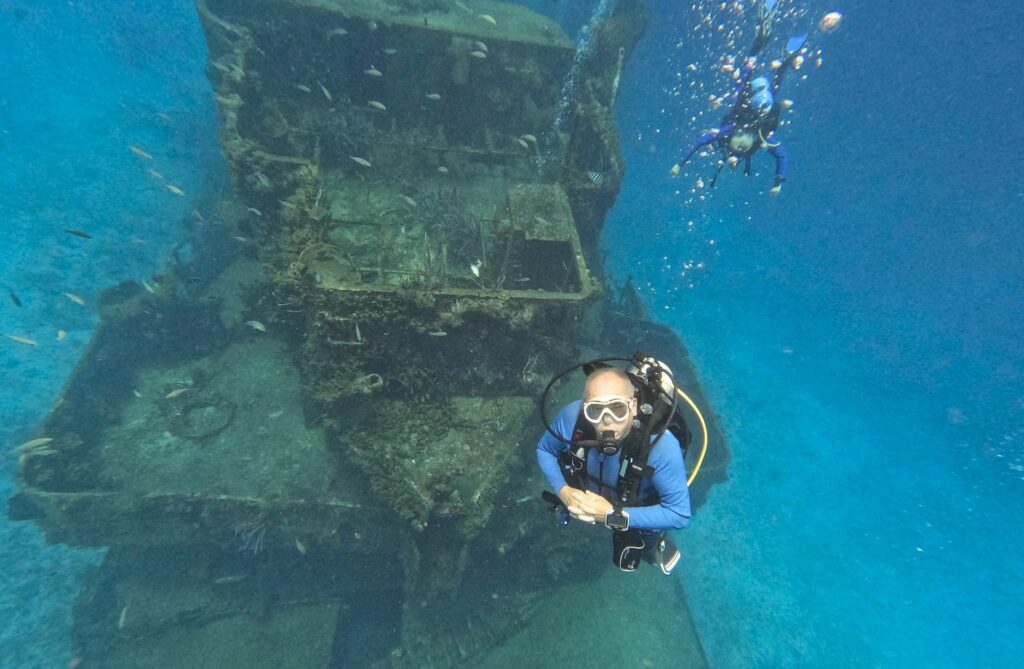
So a beach covered in sargassum doesn’t mean the seabed offshore is affected too.
In Cozumel, sargassum mainly affects the east coast, while the west coast generally stays protected and offers very good diving conditions.
Cenotes, for their part, aren’t affected by sargassum. During the season, Cozumel’s west side and the cenotes are therefore good alternatives for enjoying clear water.
Learn more about diving in Playa del Carmen!How is Mexico affected by sargassum?
Sargassum can have several major consequences for the Riviera Maya, especially for tourism and the local economy.
In July 2026, the average hotel occupancy rate in the state was 59.6%, with only 41.5% in Tulum and 31.9% in the Costa Maya.
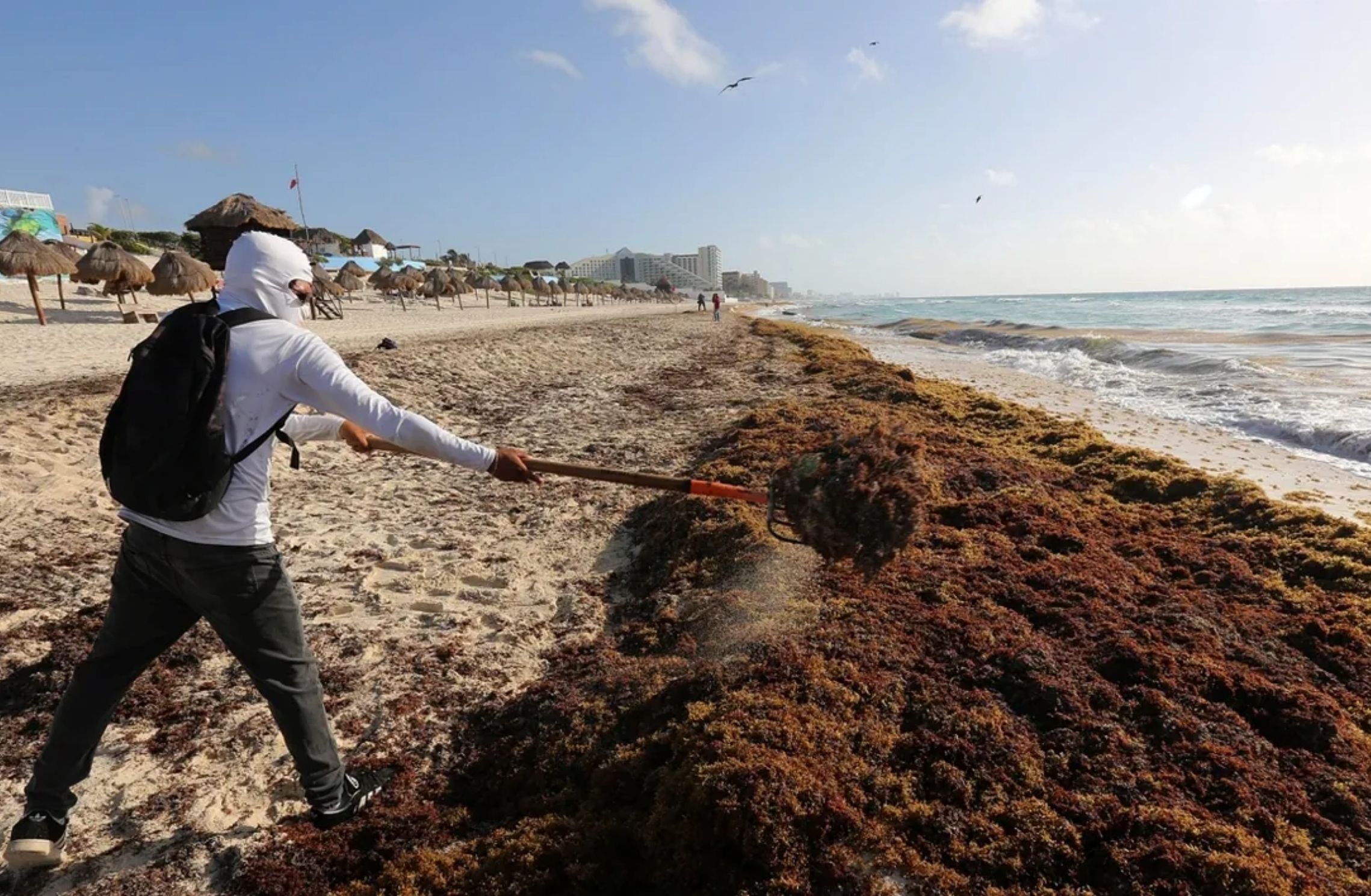
In Tulum, about 70 businesses reportedly closed in 2026 because of the sargassum crisis.
Water activities like snorkeling and boat trips can also be disrupted depending on conditions. When the seaweed piles up and decomposes on the beaches, it can release hydrogen sulfide (H₂S), a gas that smells like rotten eggs and can irritate the eyes and airways.
Management measures underway
On July 30, 2026, Mexico’s President, Claudia Sheinbaum Pardo, announced a national plan to fight sargassum!
On the beaches, tractors, specialized machines and municipal or hotel crews regularly remove the seaweed.
Floating barriers are also installed at sea to hold back some of the sargassum before it reaches the shore.
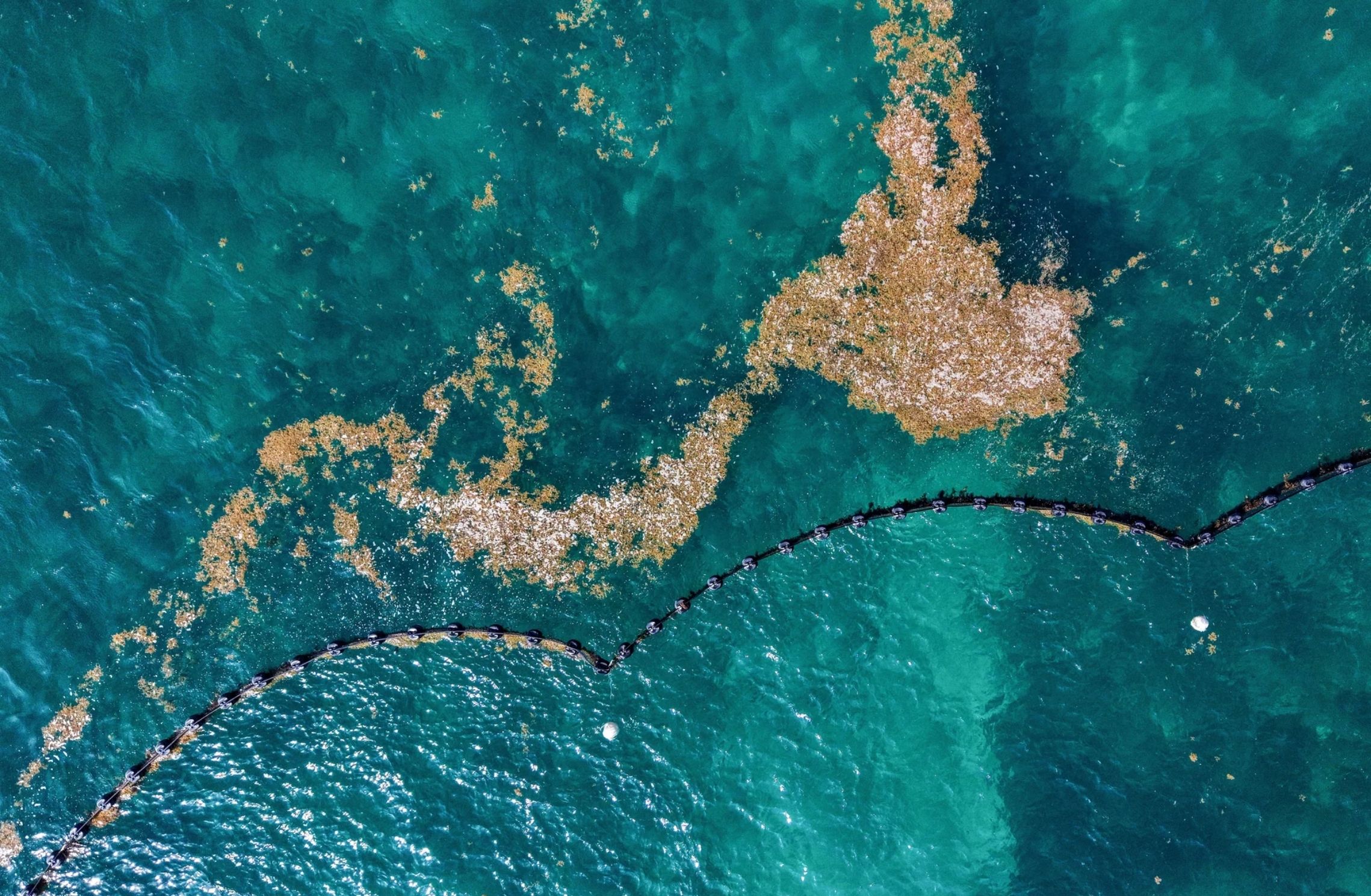
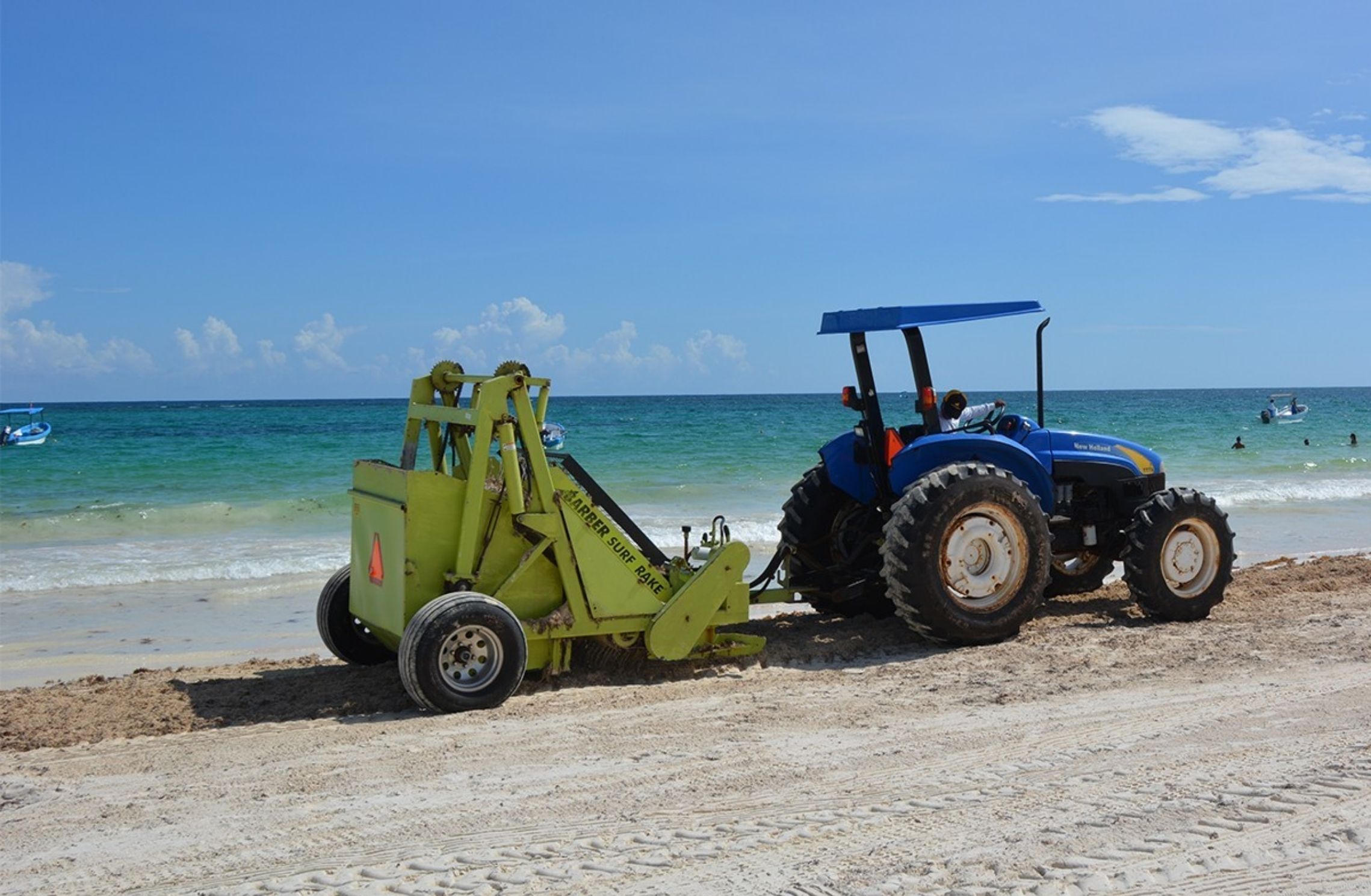
The Mexican Navy (Semar) also helps collect it at sea with specialized vessels. In 2026, a new, larger-capacity vessel was acquired to increase the volumes collected.
At the same time, several projects are looking to put sargassum to use, for example to produce biofuel, compost or certain materials. However, the amount of seaweed to process and the logistical difficulties are still a major challenge.
The future of sargassum in Mexico
In 2024, Mexico’s coasts had seen less sargassum, mainly because of a change in ocean currents off Trinidad and Tobago.
Much of the seaweed had been carried toward the northern Caribbean, especially Cuba, the Dominican Republic and Florida, leaving Mexico’s coasts relatively spared.
But 2025 and then 2026 broke records.
Traveling to Mexico during sargassum season?
In short, sargassum shouldn’t stop you from enjoying your vacation in Mexico. Its presence can change quickly, and many hotels run cleanup operations to keep their beaches pleasant.
Floating barriers and collection boats are also used to limit how much seaweed reaches the coast. Plus, the phenomenon is seasonal: if you travel between October and February, the risk is generally much lower.
Some destinations, like Isla Mujeres, Holbox, Isla Contoy or northern Cozumel, are also much less exposed.
And above all, the Riviera Maya isn’t just about its beaches: cenotes, diving, tours, nature and many other activities let you fully enjoy the region, even when sargassum is around.