
Gran Cenote is one of the best-known cenotes in the Riviera Maya.
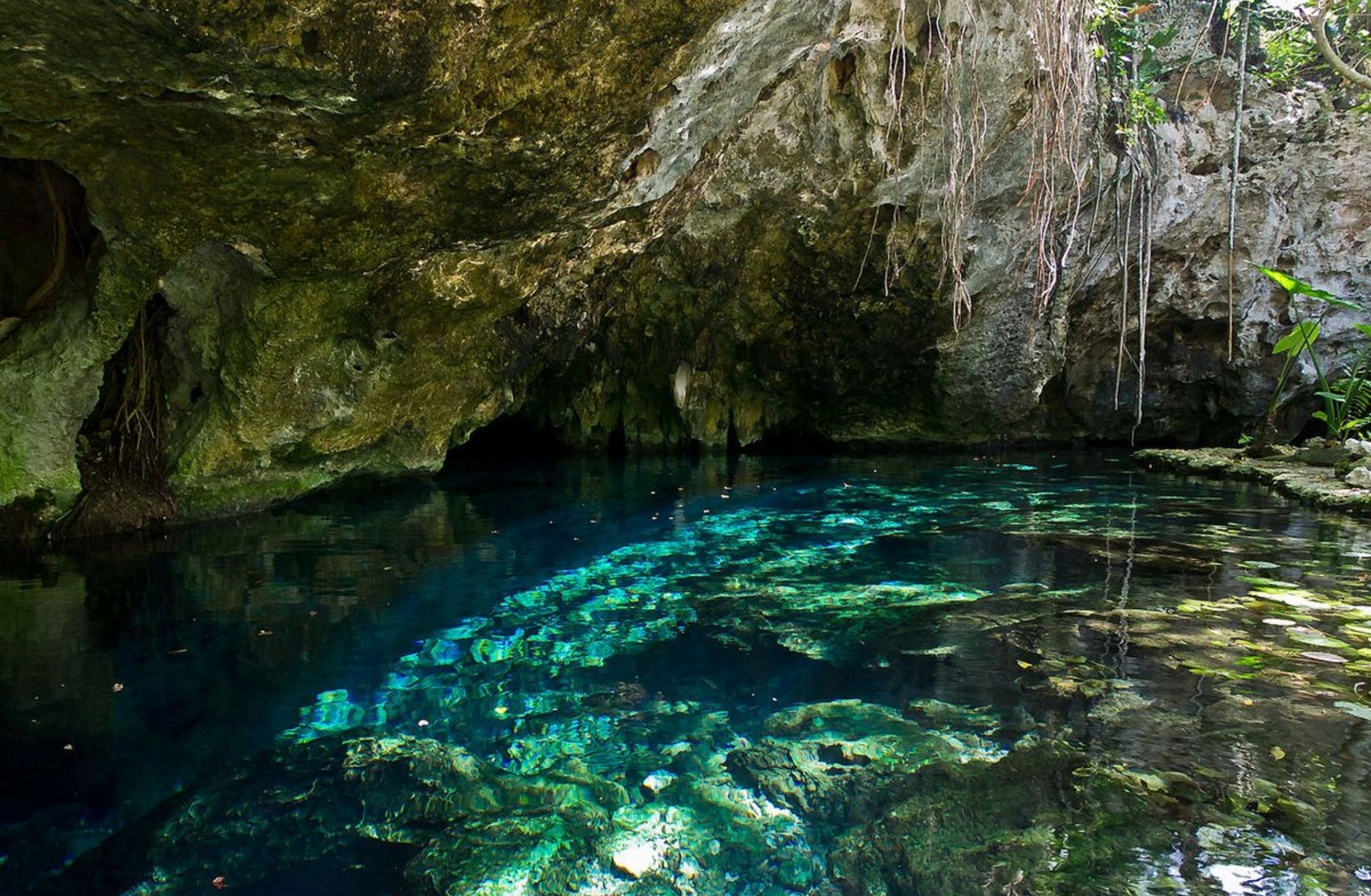
Half open to the sky and half hidden beneath the rock, it offers a unique setting where the jungle meets underground rock formations.
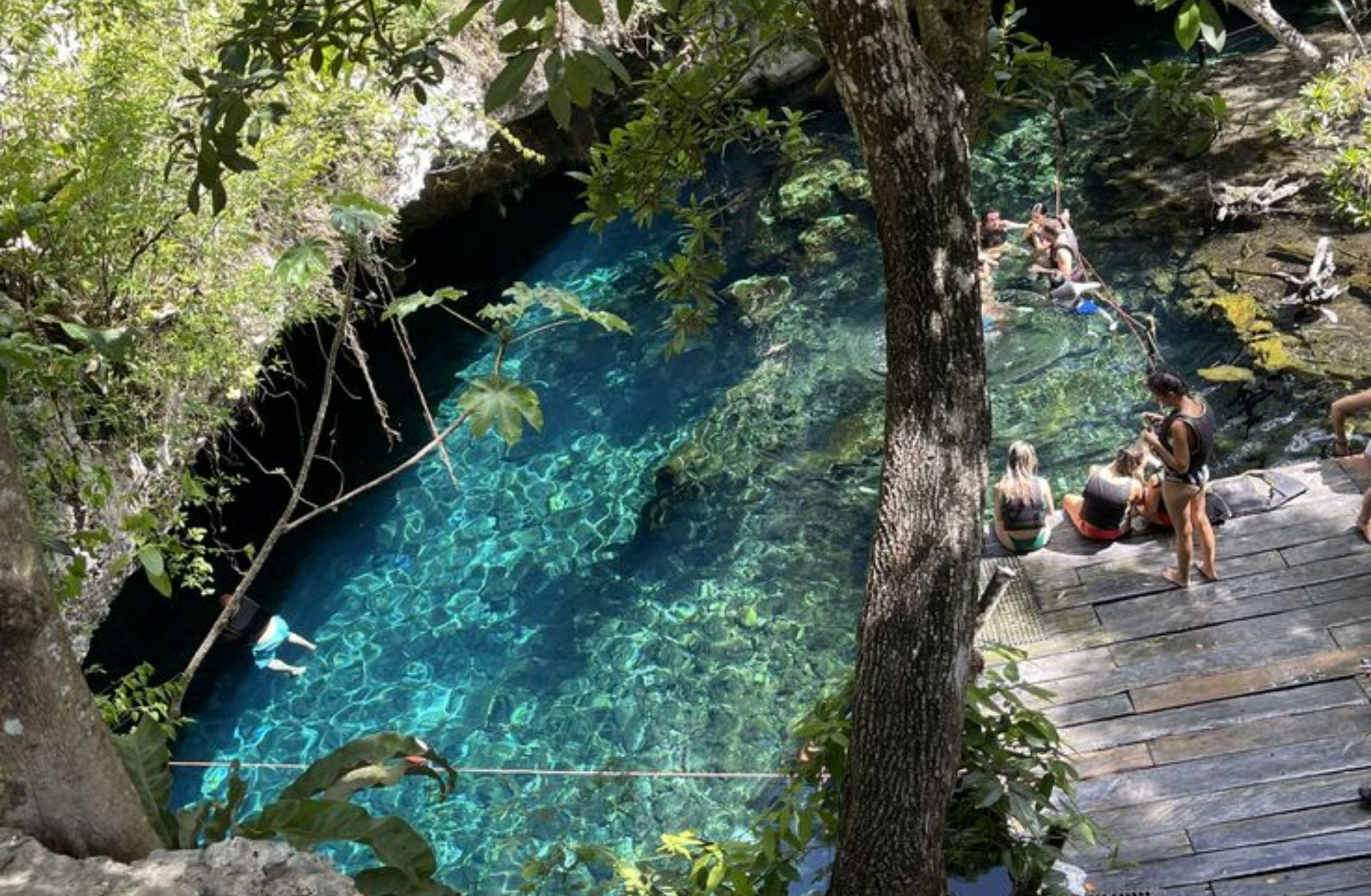
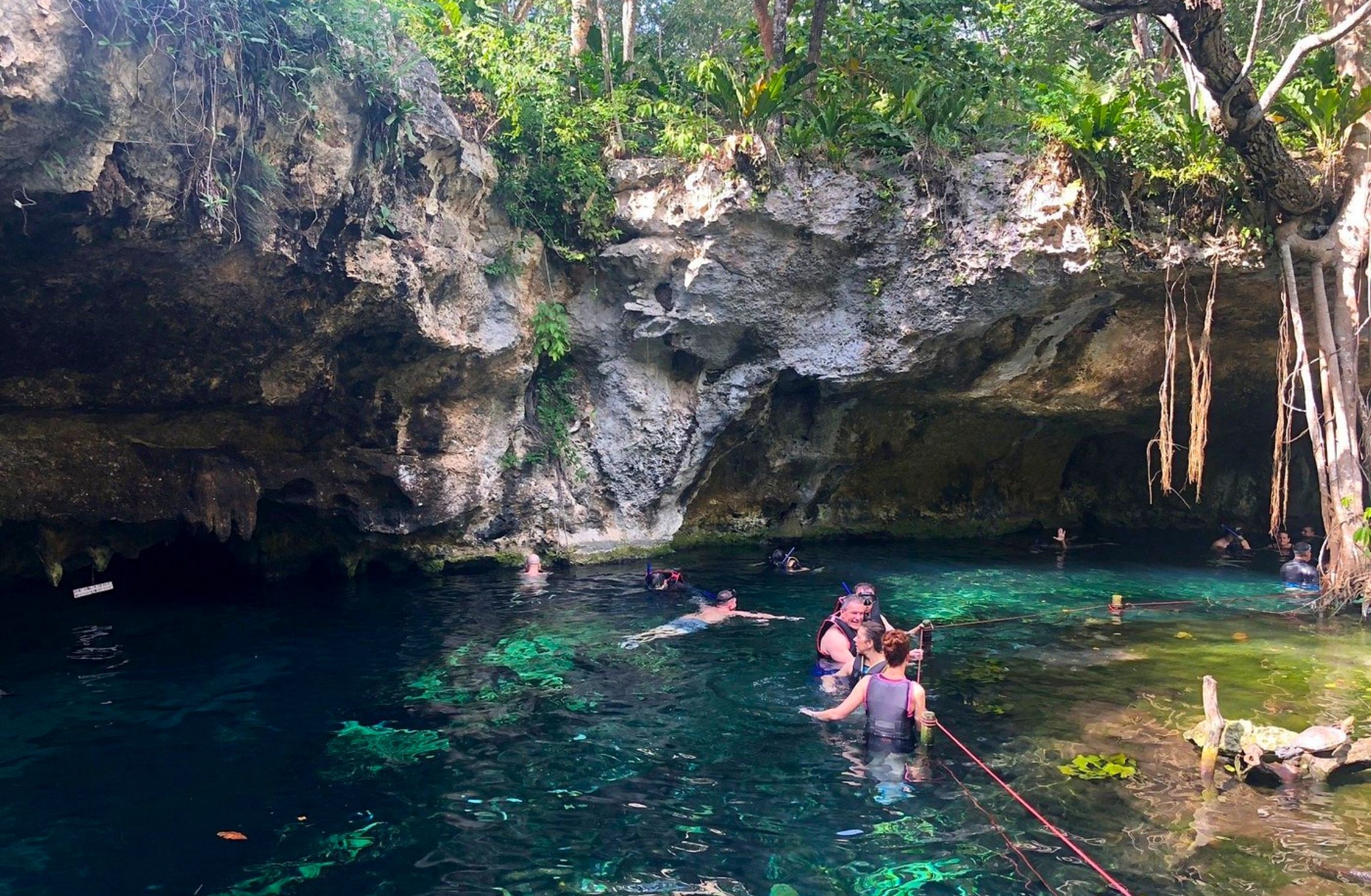
The site is made up of 2 natural pools connected by an underground section. From the open areas, you can enjoy the greenery surrounding the cenote before gradually venturing beneath the rock formations.
It’s a particularly pleasant place to take your time and explore. The dense vegetation around the cenote makes you feel truly immersed in the jungle, and birds regularly come to enjoy this source of fresh water.
Why visit Gran Cenote in Tulum?
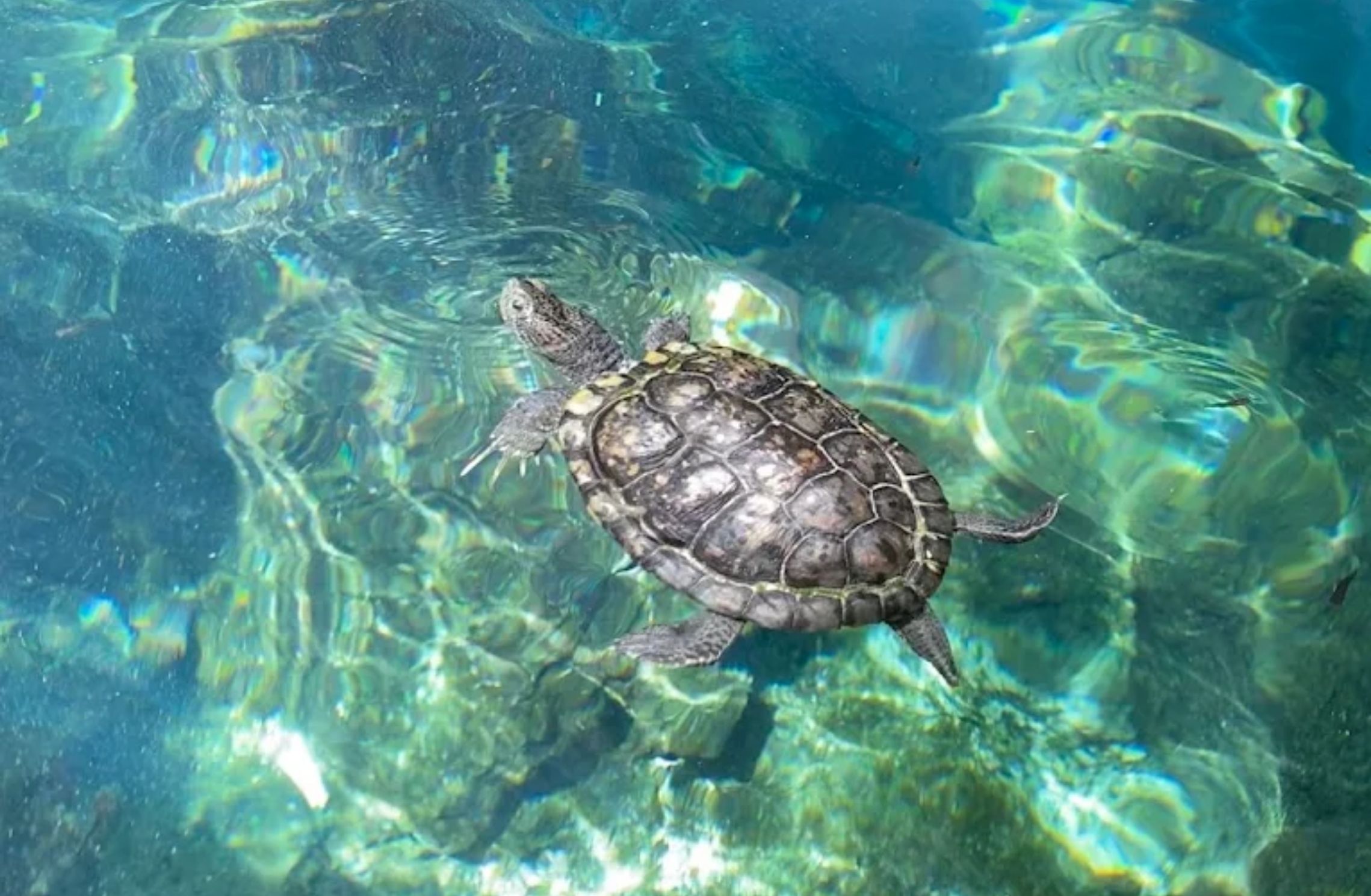
One of Gran Cenote’s highlights is, without a doubt, its many freshwater turtles. Thanks to the exceptionally clear water, they are easy to spot from the surface.
One area of the cenote is set aside for them, so you can watch them move around in their natural environment without needing to dive.
But Gran Cenote isn’t just about its open pools. Beneath the rock lies a whole network of passages connecting the different parts of the cenote.
Cenote divers can explore this underground section and discover an environment completely different from what you see at the surface.
But you don’t need to be a diver to experience this atmosphere. Some underground areas can also be reached by swimming, letting you gradually move under the rock walls and admire the natural formations that have developed over time.
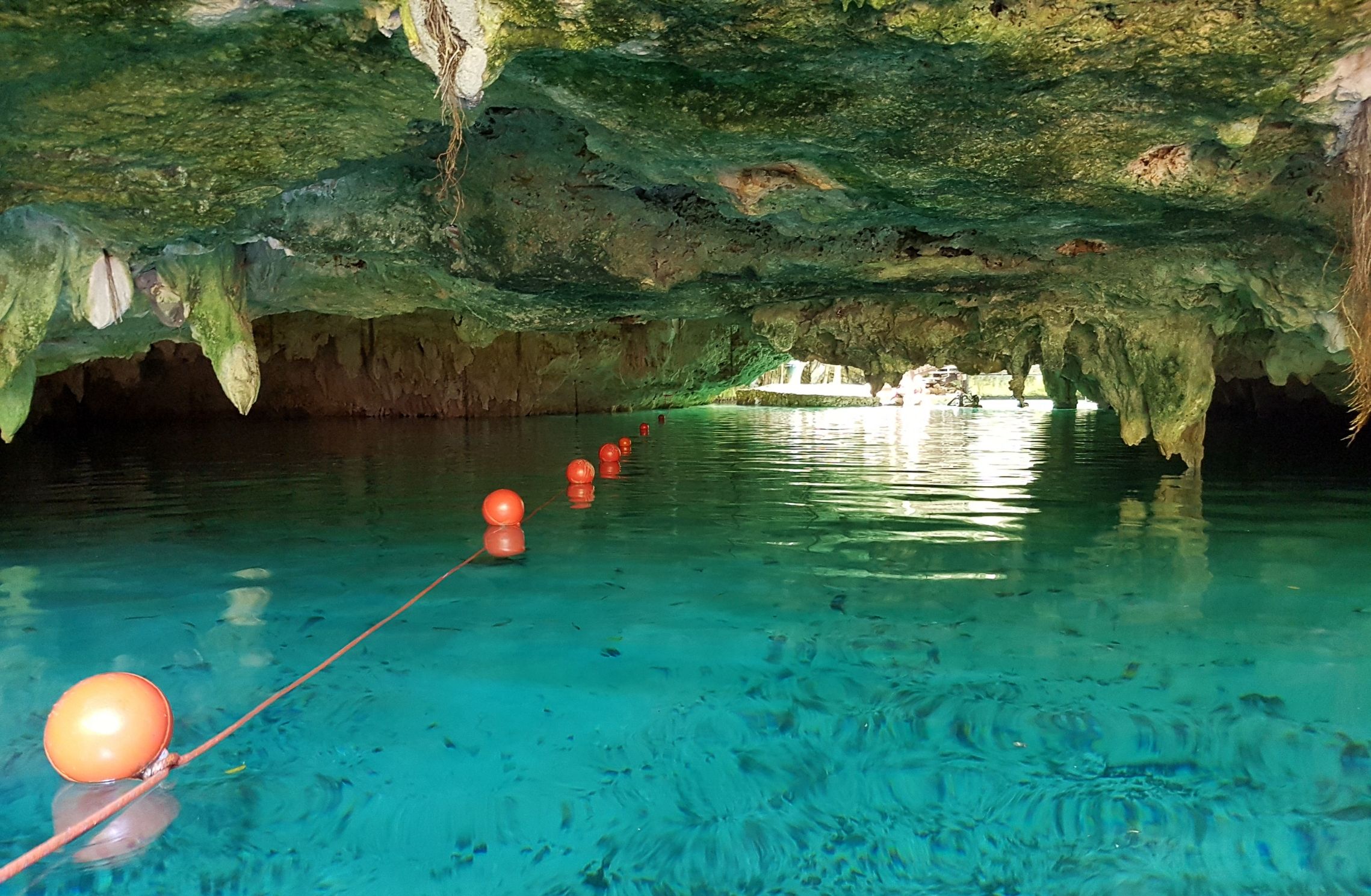
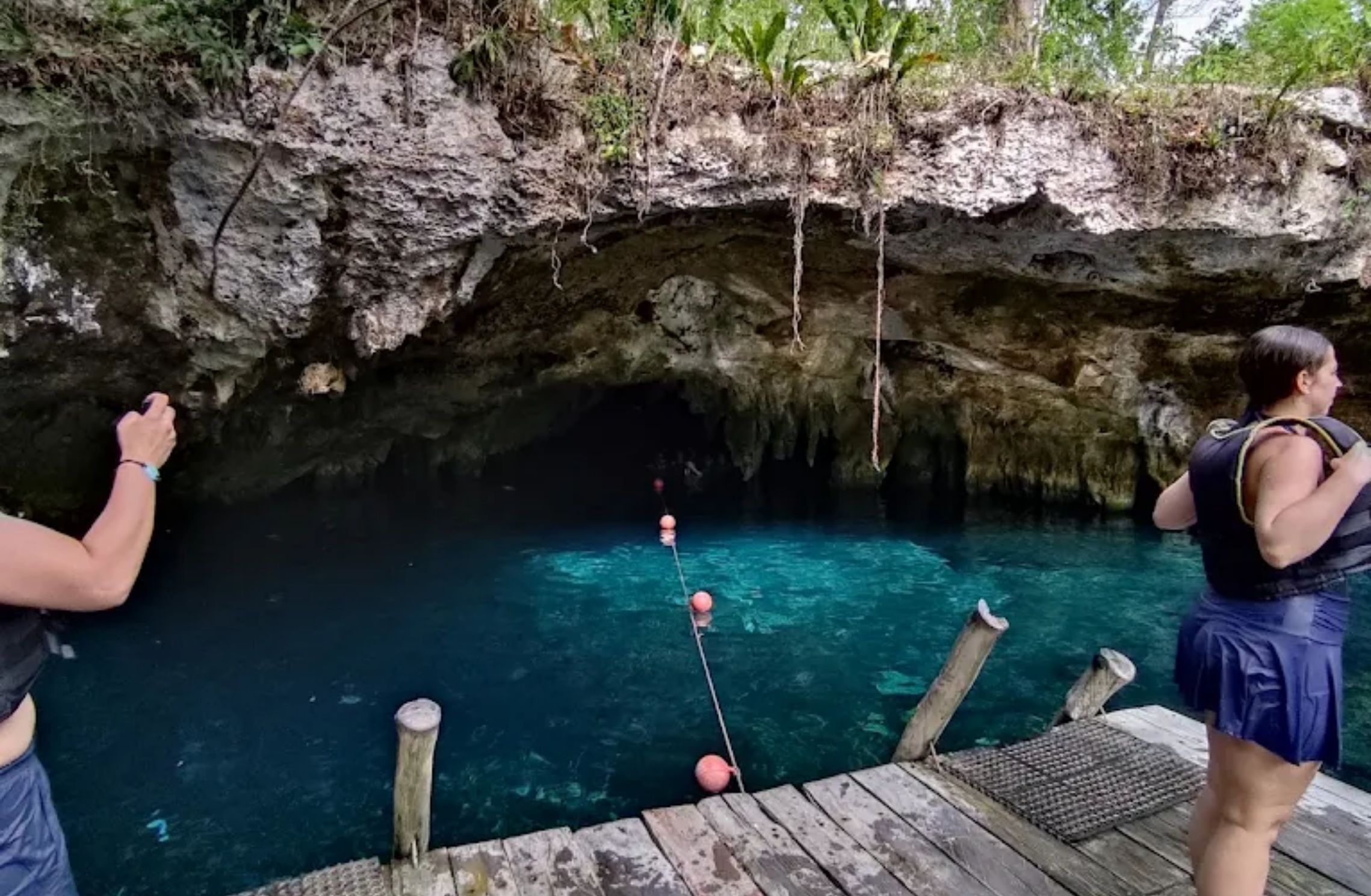
Look up and you’ll see many stalactites hanging from the ceiling. The dim light and the limestone walls give this part of the cenote a very different atmosphere from the open-air section.
It’s also in this darker part of the cenote that you can spot the bats living in the cavities above the water.
Whether you just want to swim, go snorkeling or explore the cenote underwater on a scuba dive, Gran Cenote lets you discover several sides of the Riviera Maya’s underground world.
Where is Gran Cenote and how do you get there?
Gran Cenote is located on the Yucatán Peninsula, near Tulum. It’s about 4 km (2.5 miles) from downtown Tulum, which makes it one of the easiest cenotes to reach from town.
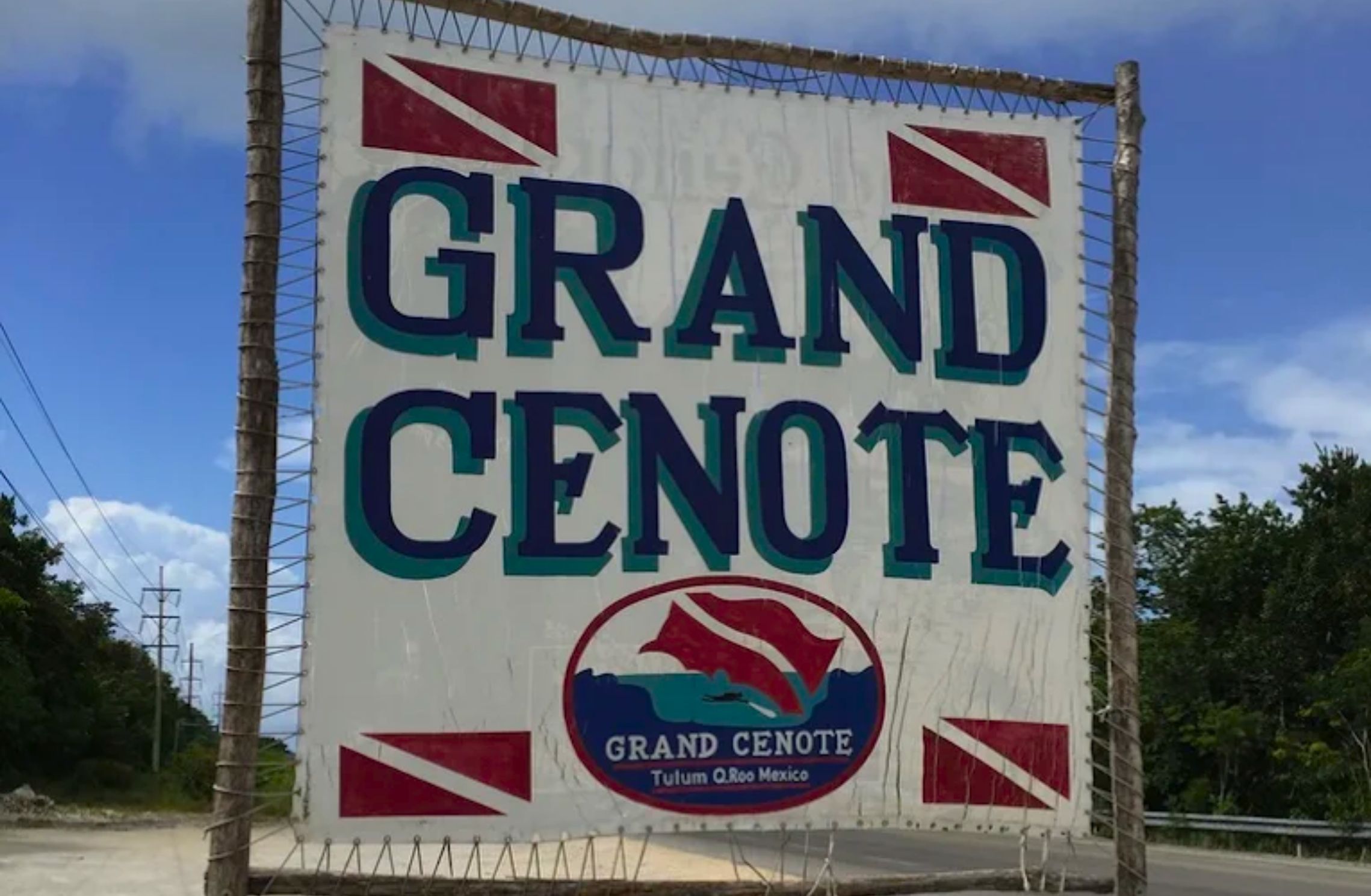
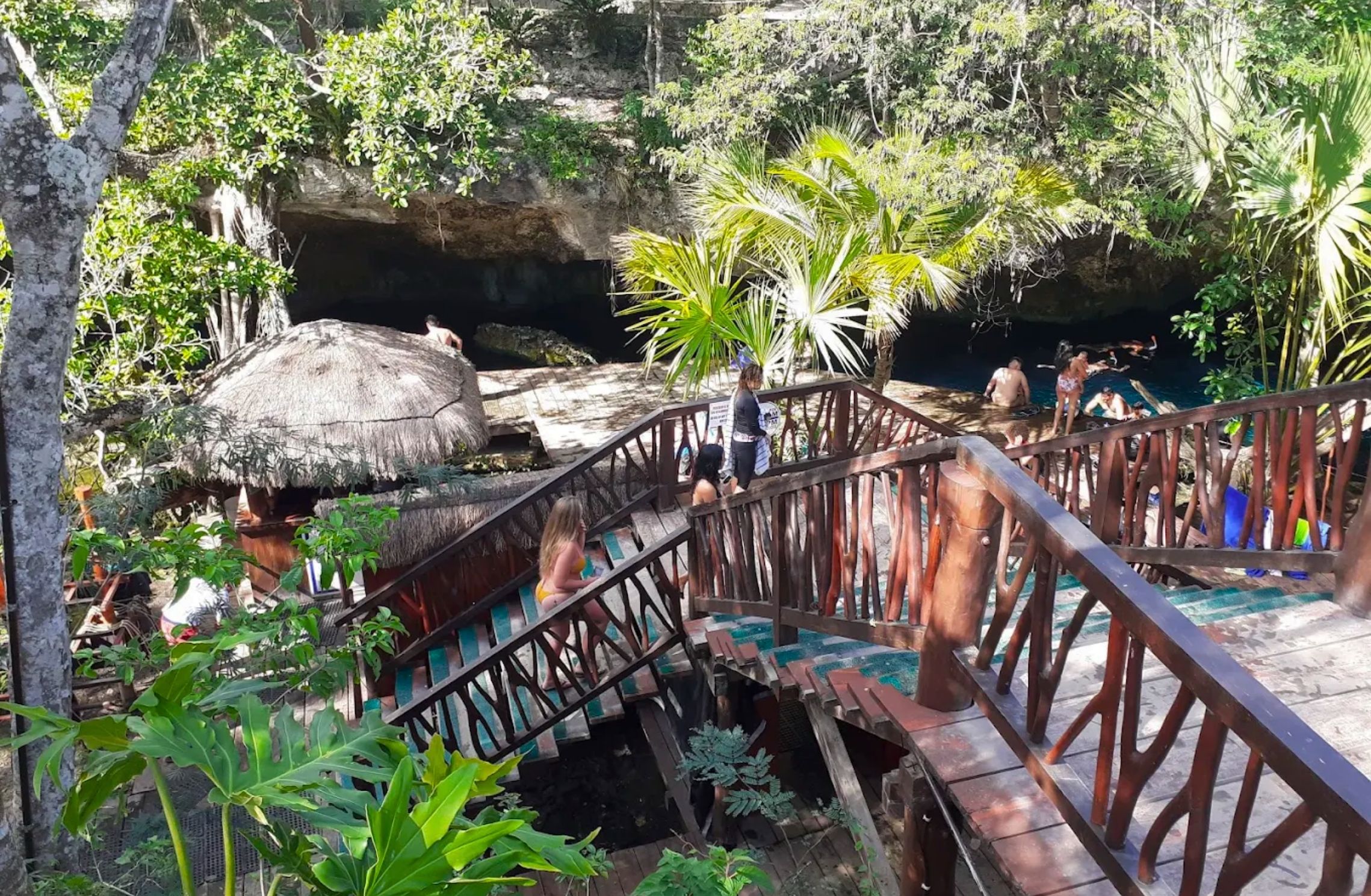
To get there by car, take the Tulum–Cobá road toward Cobá. After a few kilometers, you’ll find the entrance to Gran Cenote, which is clearly signposted from the road.
Once you arrive at the entrance, you can leave your car in the parking lot and walk straight to the cenote facilities.
If you don’t have a car, you can also get to Gran Cenote from Tulum by taxi. It’s usually the simplest option if you’re traveling without a vehicle, especially since the cenote is so close to downtown.
You can also take a colectivo heading to Cobá and ask the driver to drop you off near Gran Cenote.
How much does Gran Cenote cost?
Gran Cenote is one of the more expensive cenotes to visit in the area, so plan for a slightly higher budget than for some other cenotes in the Riviera Maya.
Admission is currently 500 MXN for adults (about US$27) and 250 MXN for children (about US$14).
Keep this in mind when planning your visit: payment is cash only, in Mexican pesos. Credit cards are not accepted on site.
The price does include some equipment, though. You’ll have access to a life jacket and snorkeling gear if you don’t have your own.
If you want to keep your belongings safe while you swim, lockers are also available for 30 MXN (about US$2).
Are there changing rooms and lockers at Gran Cenote?
Yes. Gran Cenote has restrooms and changing rooms where you can get changed before or after your swim.
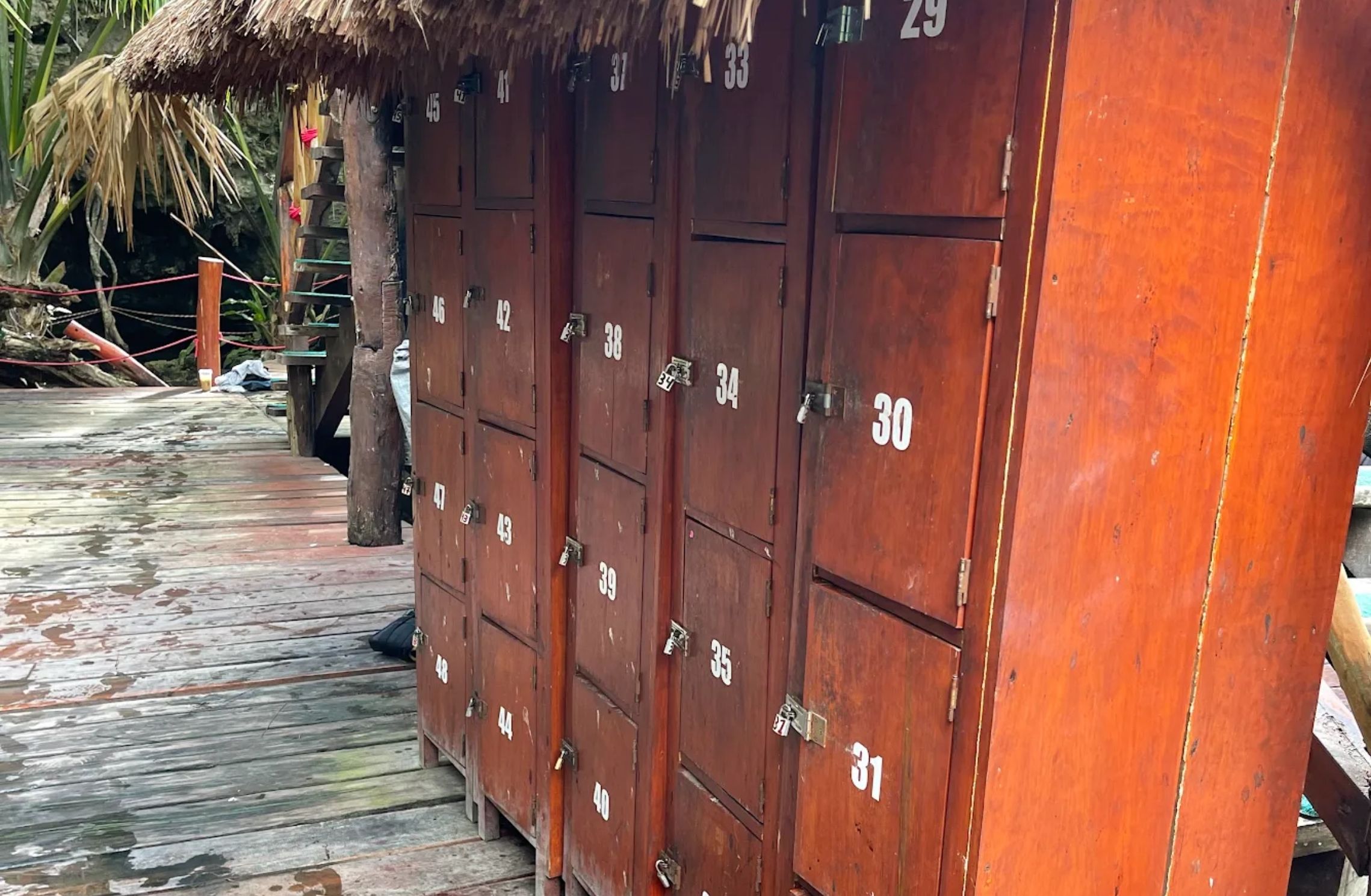
You’ll also find lockers to rent for 30 MXN, handy for keeping your things safe while you enjoy the cenote.
What are Gran Cenote’s opening hours?
Gran Cenote is open every day of the week, from 8:10 a.m. to 4:45 p.m. Last admission is at 4:15 p.m., so be sure to arrive early enough to make the most of your visit.
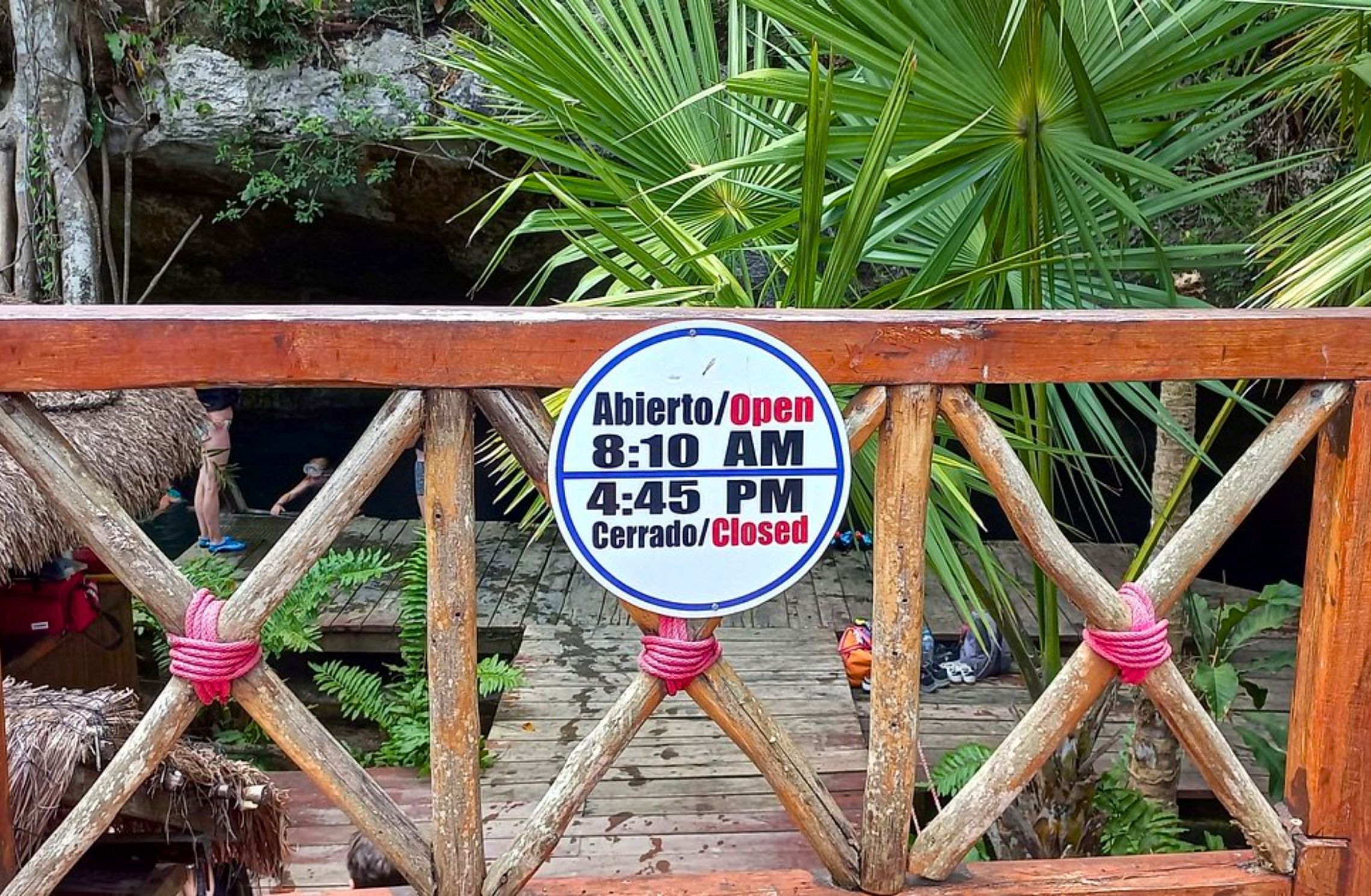
To enjoy the cenote in the best conditions, we recommend arriving right when it opens.
If your schedule allows, also try to visit on a weekday. Gran Cenote gets more local visitors on weekends, and it’s especially busy on Sundays.
What to do at Gran Cenote
Plan about 2 hours on site to explore the different parts of Gran Cenote at a relaxed pace and enjoy its crystal-clear water.
1. Swim in Gran Cenote’s waters
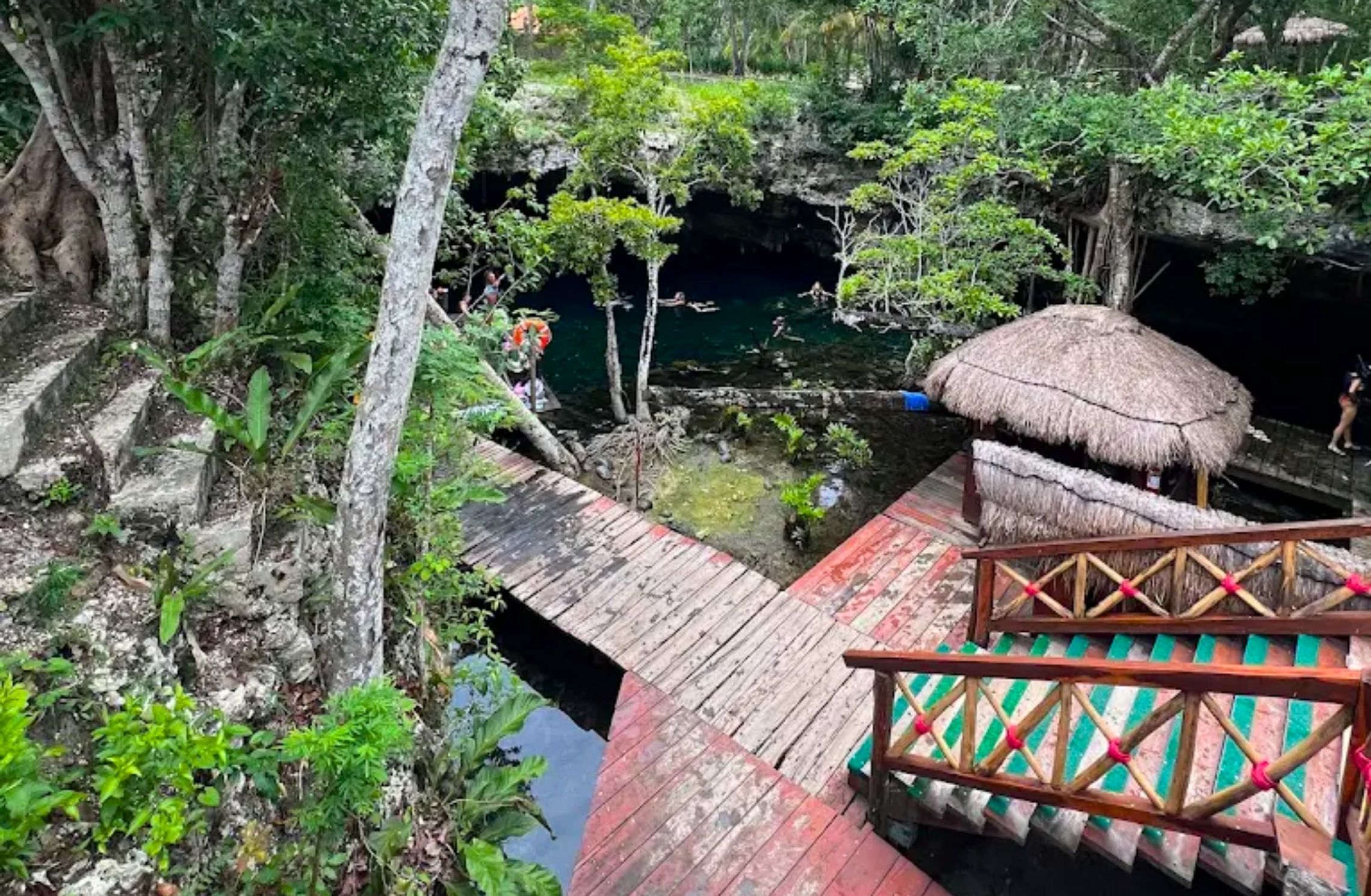
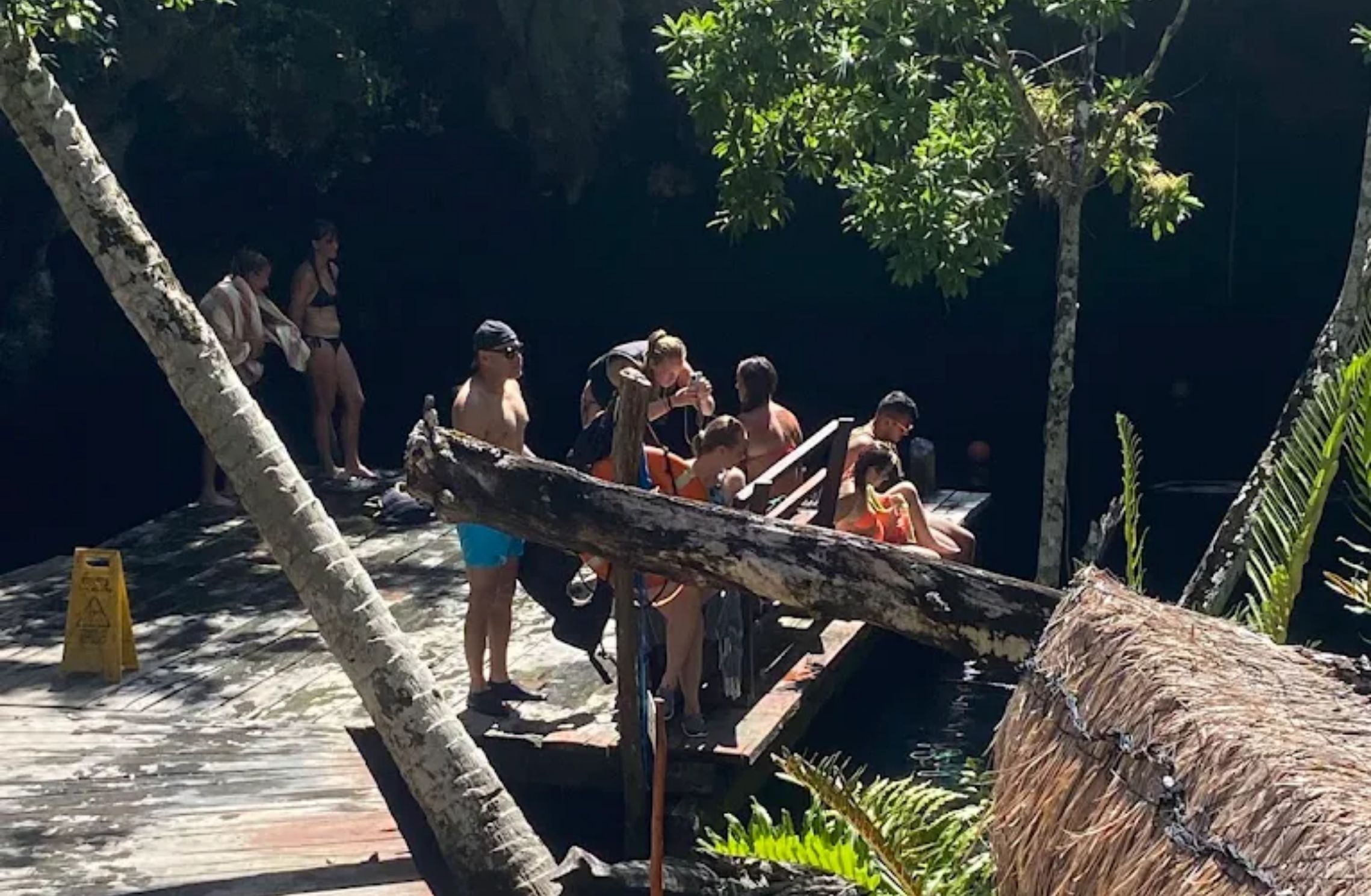
The first pool is easy to reach thanks to a wooden platform and stairs that lead straight into the water.
This part is about 5 to 8 m (16 to 26 feet) deep, although some shallow areas let you stand. The water is exceptionally clear, giving you excellent visibility below the surface.
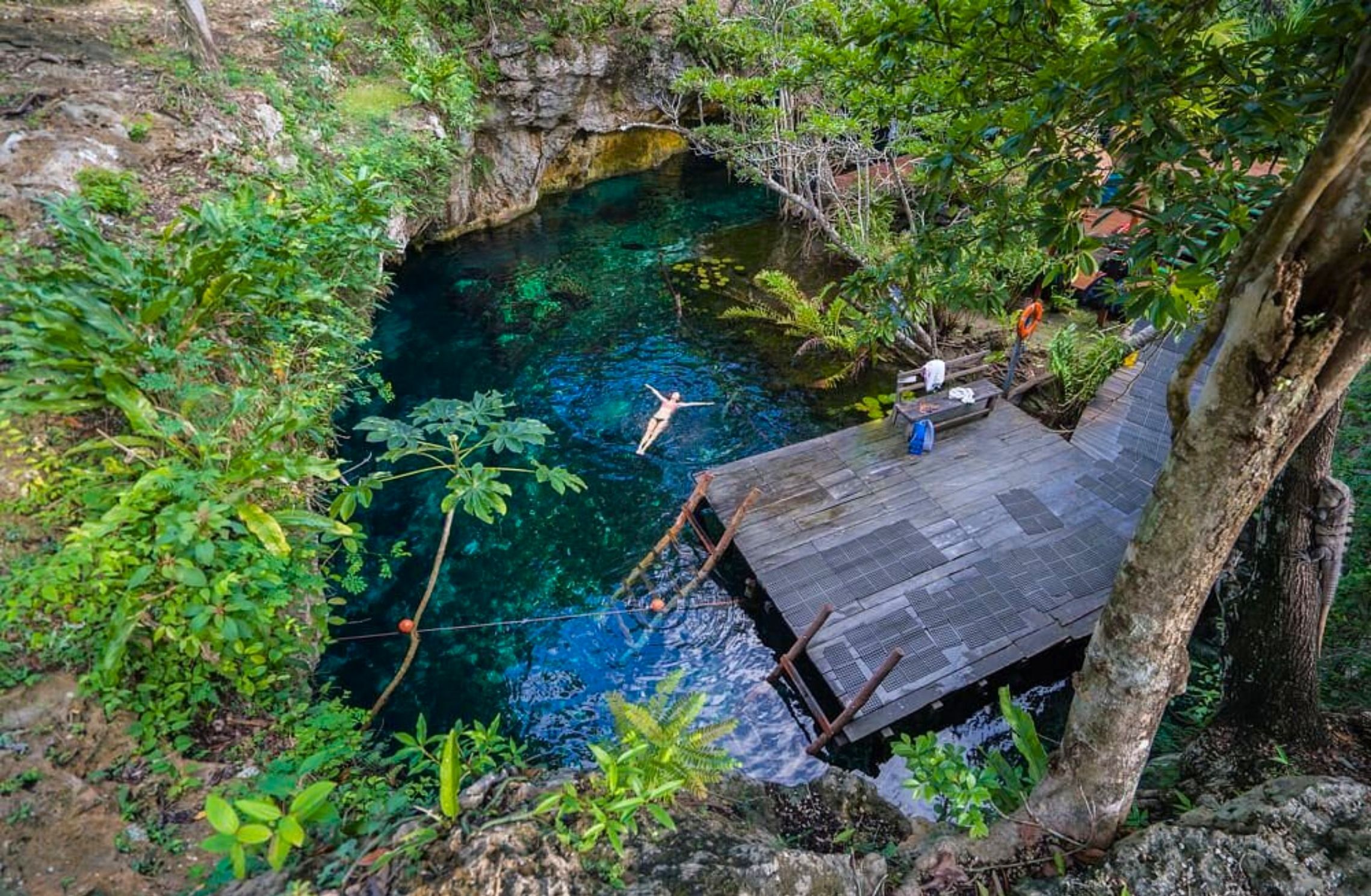
As in most cenotes, the water may feel cool when you first get in. After a few minutes, though, it becomes very pleasant, especially on hot days.
2. Watch Gran Cenote’s turtles
Turtles are among the animals you’re very likely to see during your visit.
You can spot them both in the water and around the pools. With a mask and snorkel, you can easily watch them swim beneath the surface, thanks to the cenote’s excellent visibility.
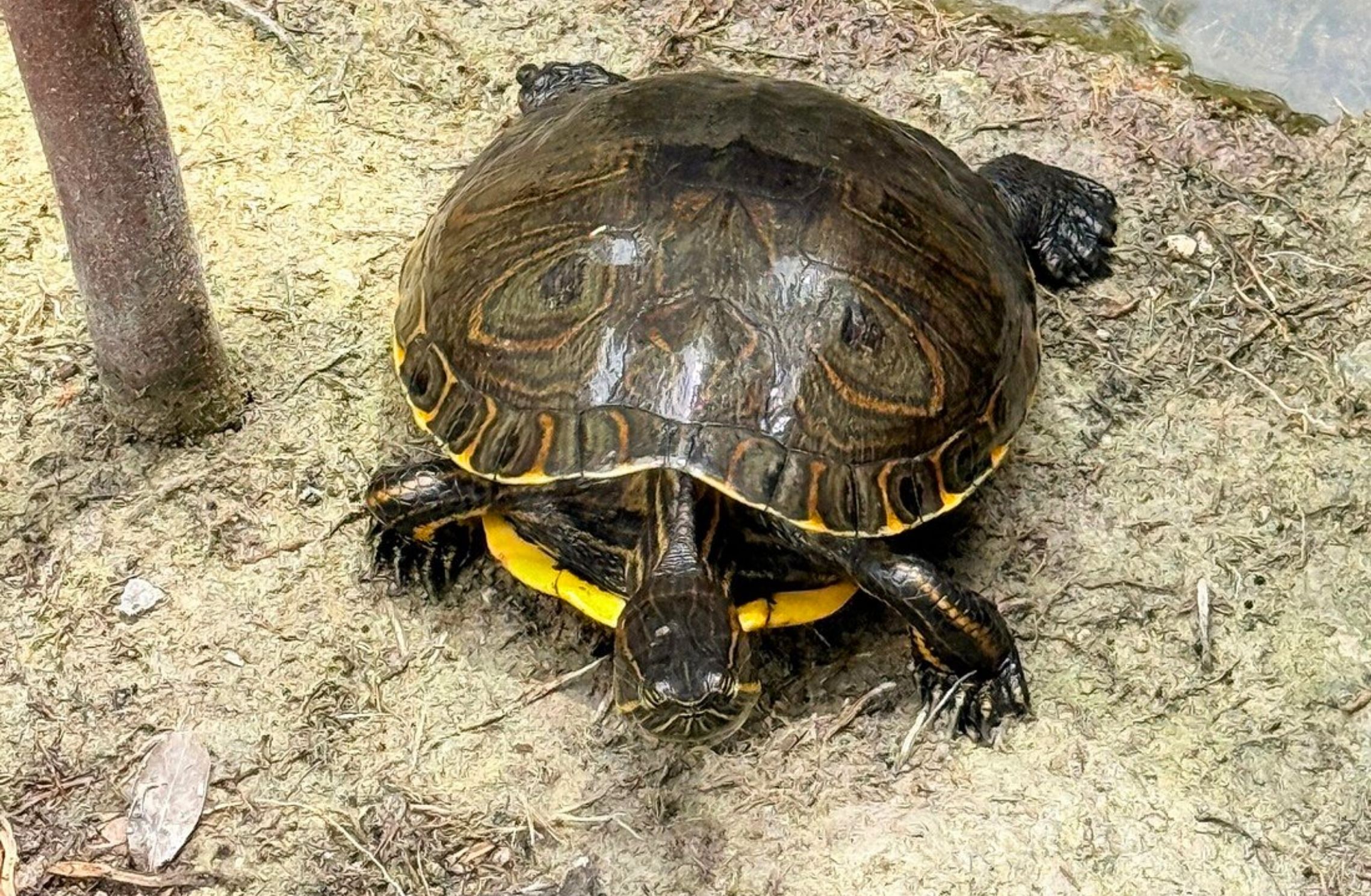
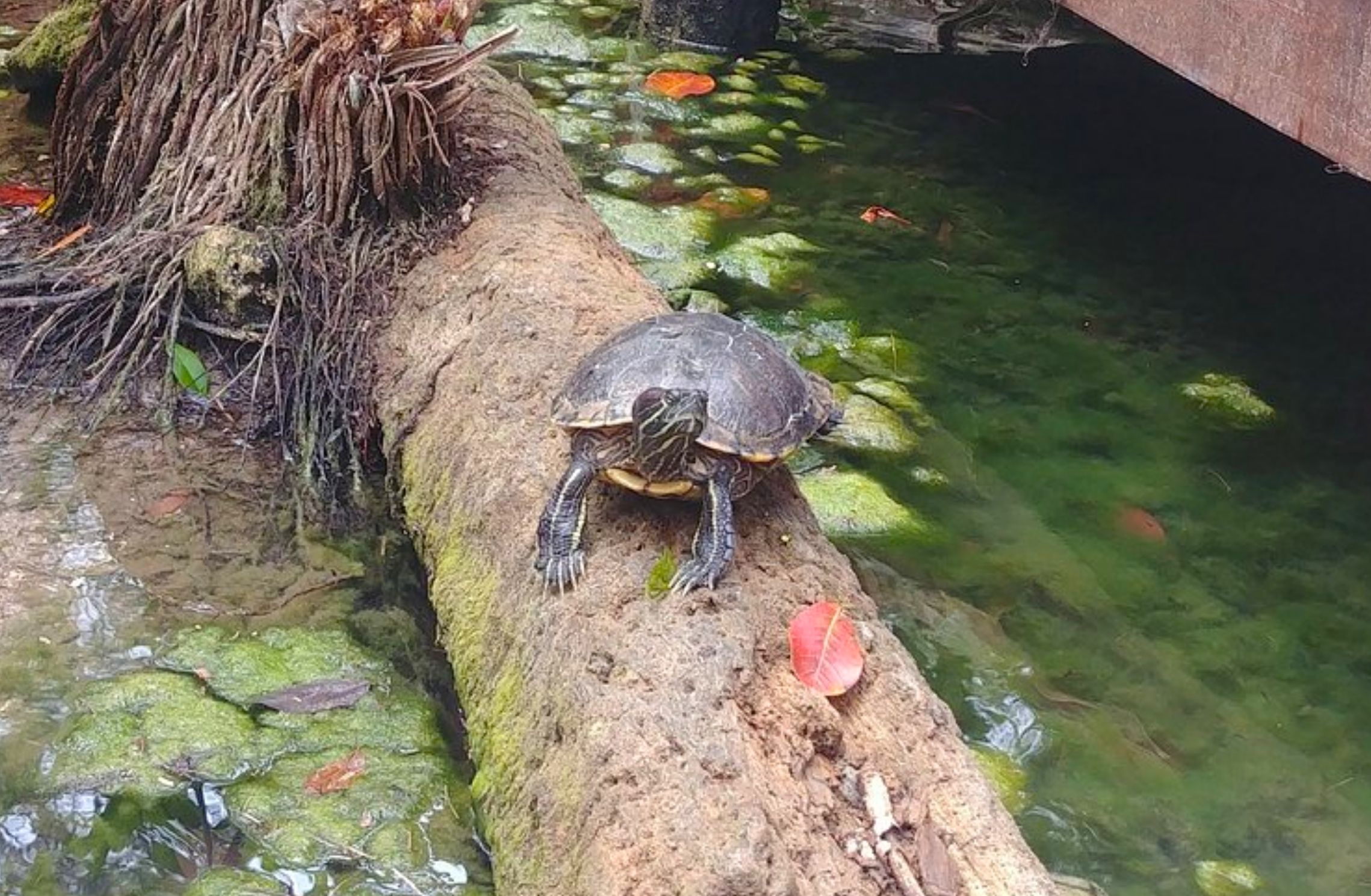
They’re used to visitors, but that doesn’t mean you should approach or touch them. Keep your distance and let them swim in peace so you don’t disturb them.
3. Go snorkeling
Gran Cenote is perfect for snorkeling. With your mask and snorkel, you can see the bottom of the cenote and discover the wildlife that lives in its waters.
The turtles are of course one of the main attractions, but you can also see various fish. The exceptionally clear water makes them easy to spot, even without diving deep.
If you don’t have your own equipment, you can also rent or borrow some on site, depending on what’s offered during your visit.
4. Swim through the underground passage between the two pools
One of the most interesting parts of Gran Cenote is below the surface. The two main openings are connected by a narrower section that you can swim through.
As you venture into this passage, you’ll discover a much darker, rockier environment, with limestone formations that give the place a true cave atmosphere.
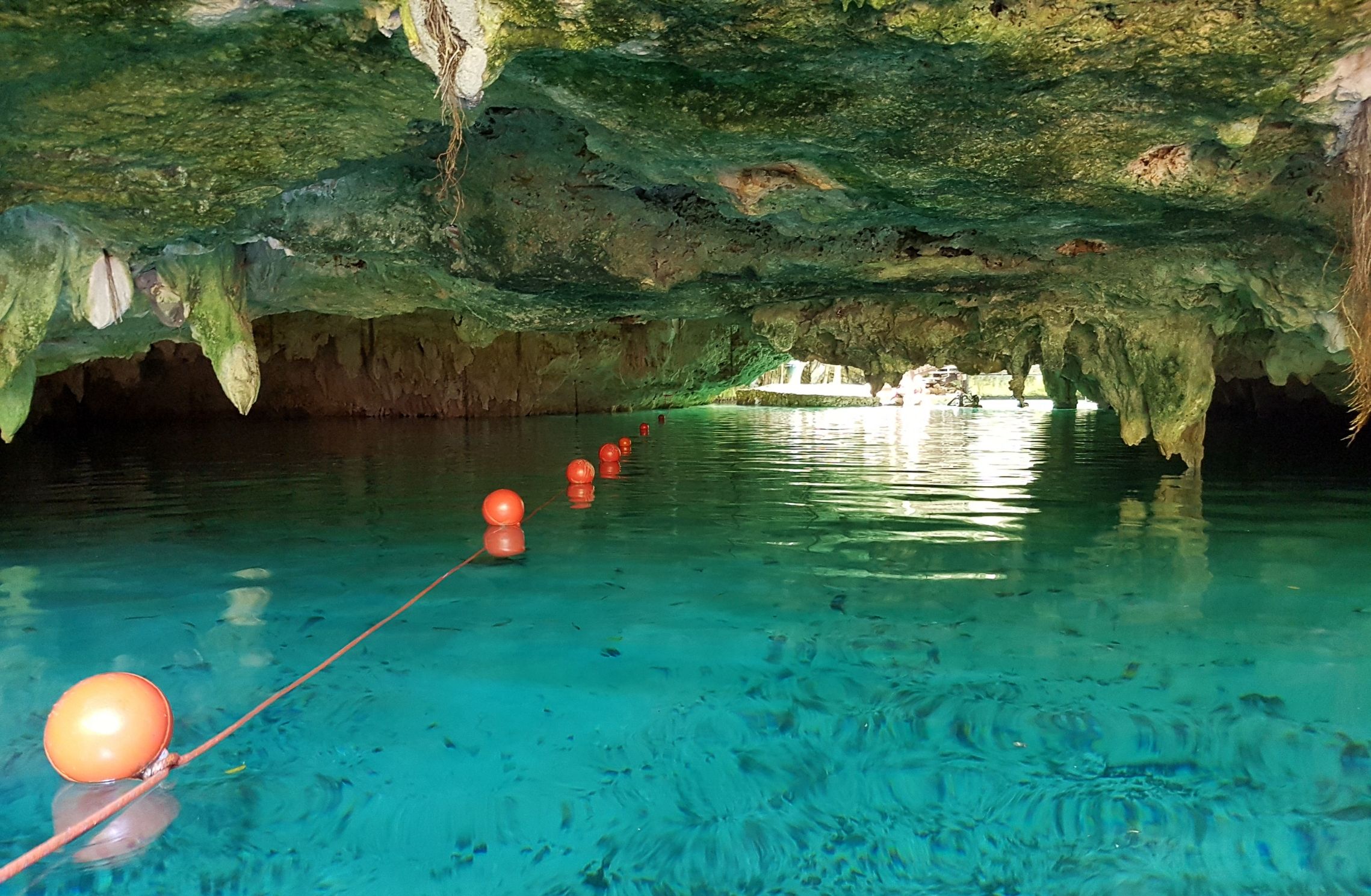
You may also see bats living in some parts of the cavities. This underground section shows you a very different side of Gran Cenote, far from the open, bright setting of the first pool.
5. Explore Gran Cenote’s second entrance
After exploring the main pool, take the time to visit the second part of Gran Cenote as well.
Located on the other side of the site, this entrance is usually quieter and has a different atmosphere. Wooden stairs lead down to a small platform at the water’s edge.
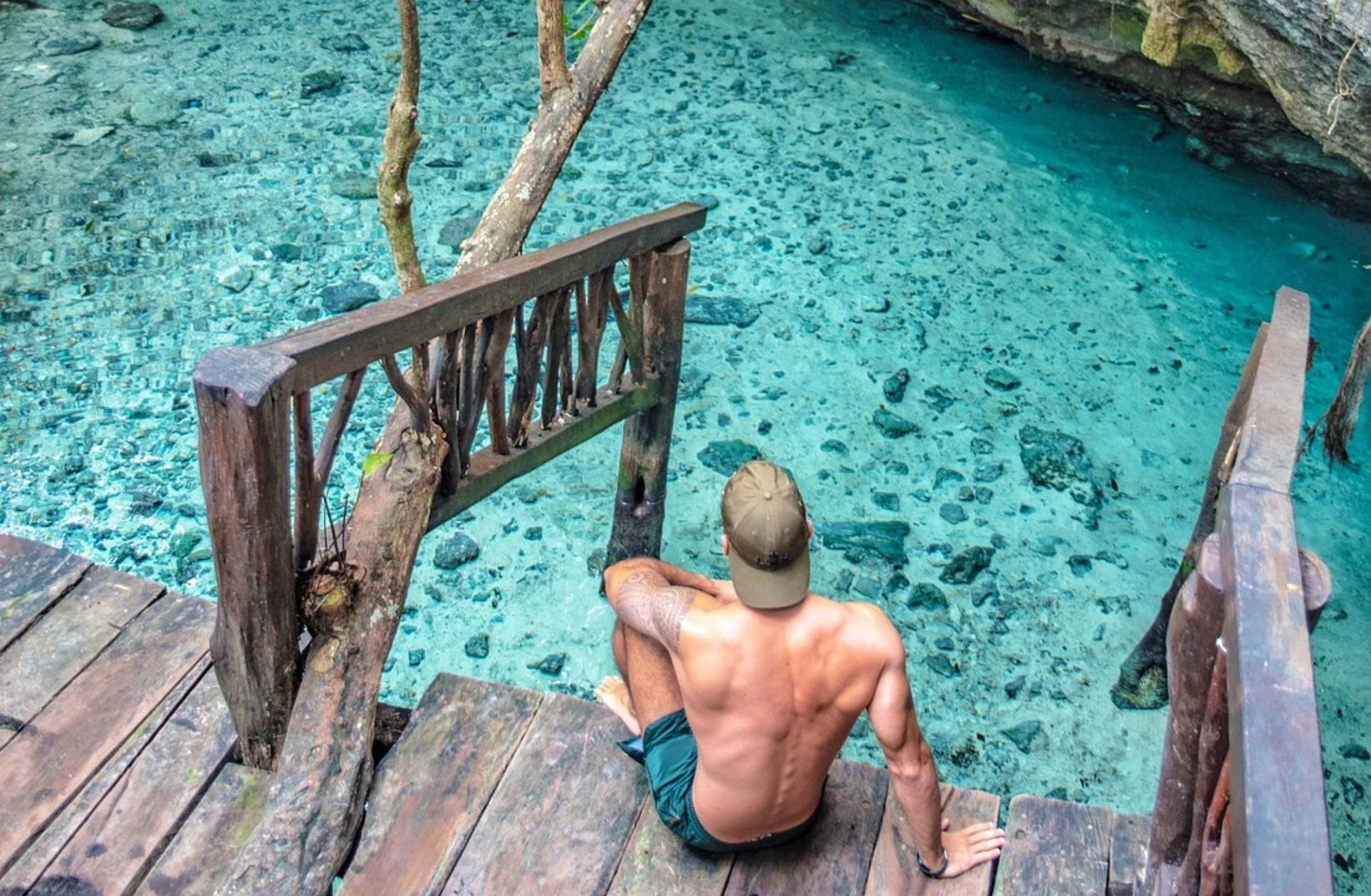
This part is shallower than the first pool and has a sandier bottom. It’s a nice spot to take your time, look around and enjoy the water.
6. Go scuba diving
If you’re a diver, keep in mind that Gran Cenote isn’t the only place to explore the underwater world of the region. The Riviera Maya is home to dozens of cenotes, each with its own atmosphere and formations.
Some are famous for their huge stalactites, their light effects or their underground passages. Others reveal amazing natural phenomena, like the famous hydrogen sulfide clouds you can see in some deeper cenotes.
Discover more cenotes in the Riviera Maya!
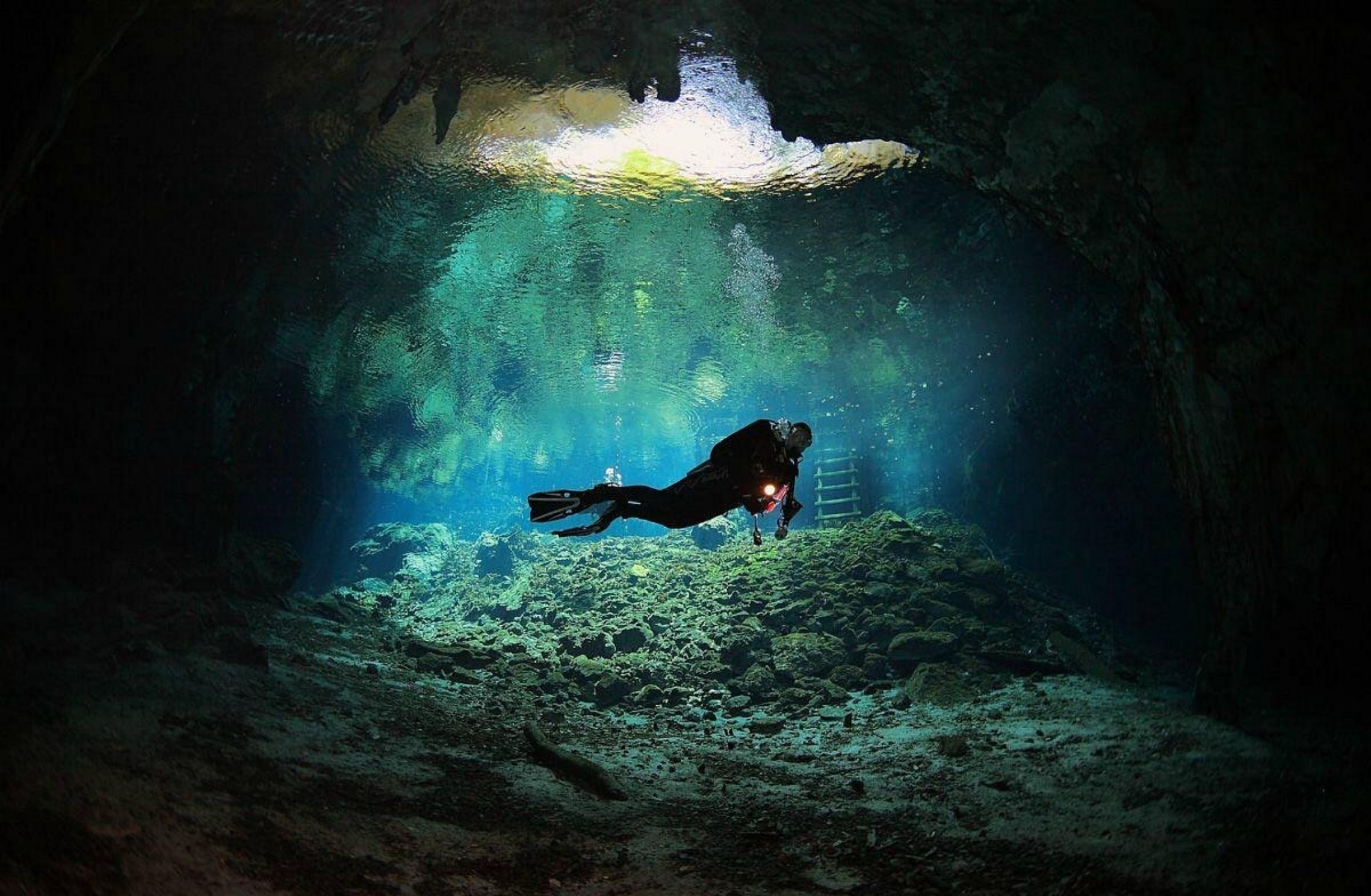
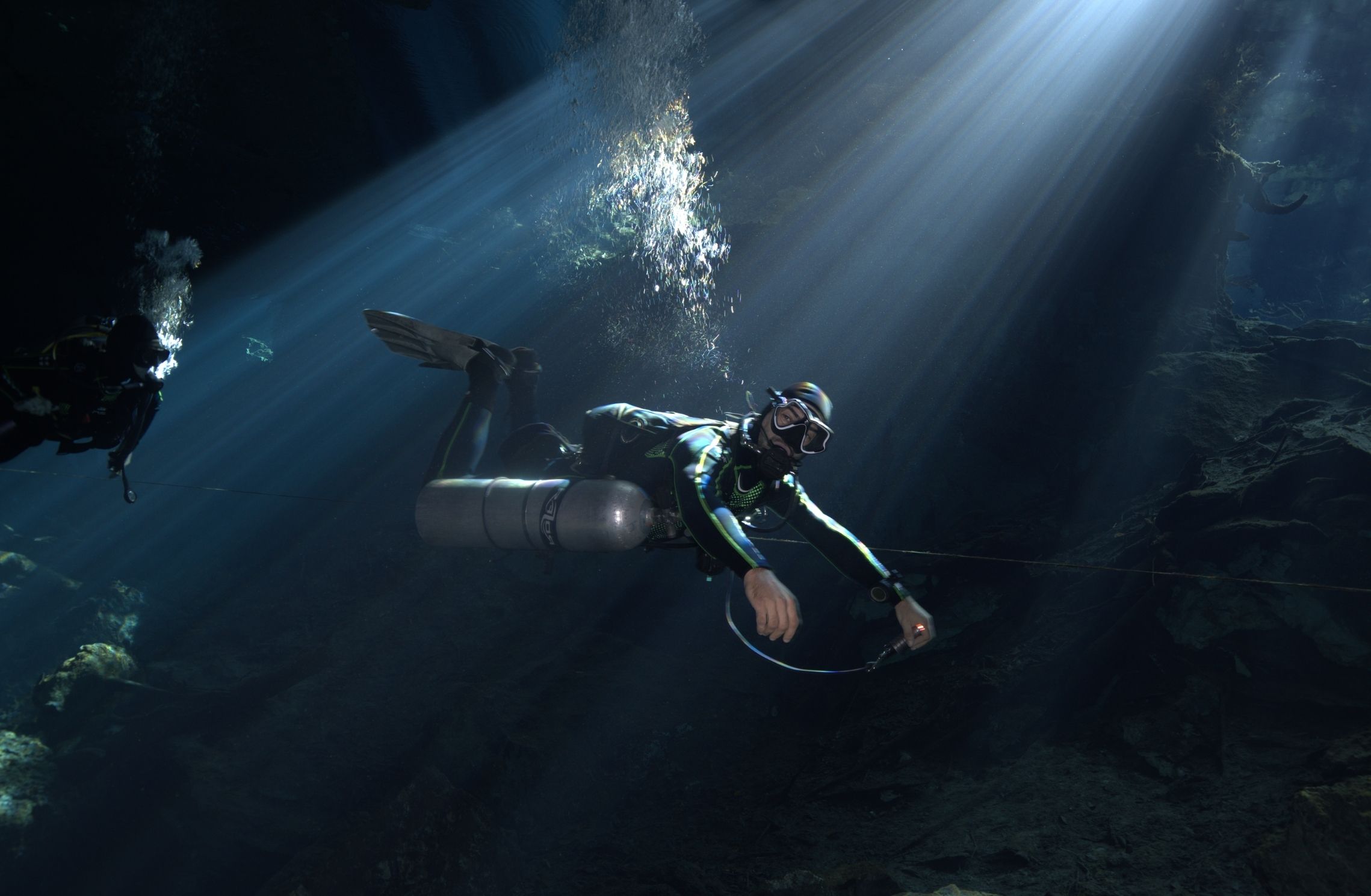
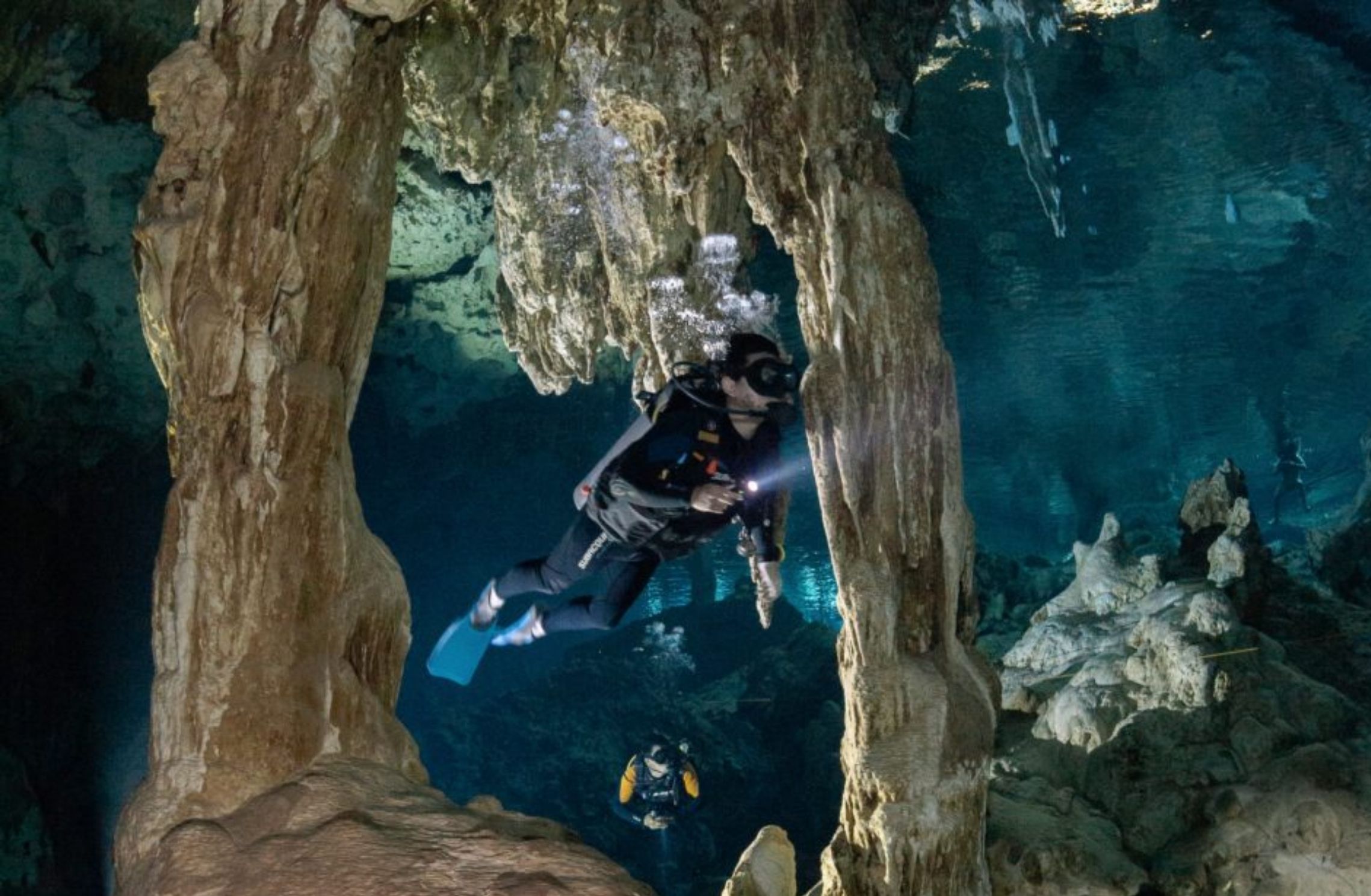
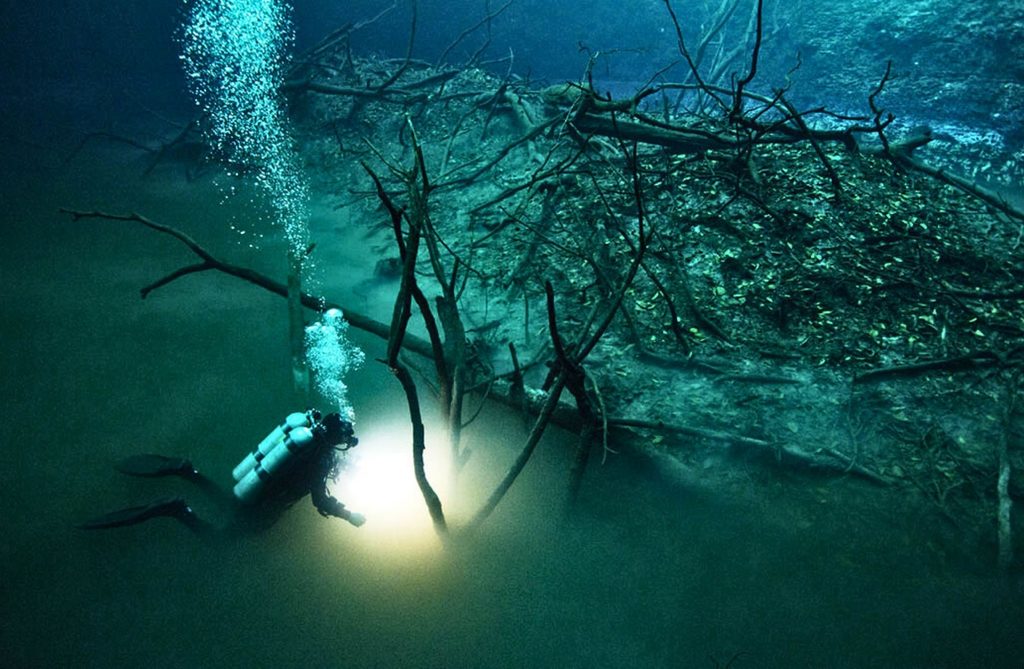
Which cenote to choose depends on your certification level, your experience and what you want to see underwater.
Among the best-known sites are Dos Ojos, The Pit, Angelita, Casa Cenote and Chac Mool.
If you want to discover the cenotes of the Riviera Maya on a scuba dive, it’s best to choose your site based on the experience you’re looking for, rather than limiting yourself to Gran Cenote.
Learn more about cenote diving!What are the rules at Gran Cenote?
Before enjoying Gran Cenote, there are a few rules to follow to protect the water quality and the site’s natural environment.
Showering is mandatory before getting in the water. It removes any sunscreen, insect repellent, makeup or oils from your skin.
Sunscreen and insect repellent are generally not allowed in the water, even if they’re labeled biodegradable or “reef-safe.” The simplest option is not to apply any before swimming and, if needed, to wear a rash guard to protect yourself from the sun.
Respecting the wildlife is also essential. Turtles and other animals in the cenote should be watched without being touched, fed or chased. Also avoid walking on the bottom so you don’t damage the natural formations and the environment where the animals live.
Can you visit Gran Cenote with kids?
If you’re traveling in Mexico as a family, Gran Cenote can be a great outing to share together. The tropical setting, the crystal-clear water and the turtles make it especially interesting for younger visitors.
Kids can enjoy swimming while discovering the cenote’s natural environment. Life jackets are available on site, so children can enjoy the water safely.
Is Gran Cenote safe?
Gran Cenote is a popular tourist site and visits generally go smoothly, but it’s still important to take a few simple precautions.
As anywhere, avoid bringing valuables you don’t really need, and always keep an eye on your belongings while you swim.
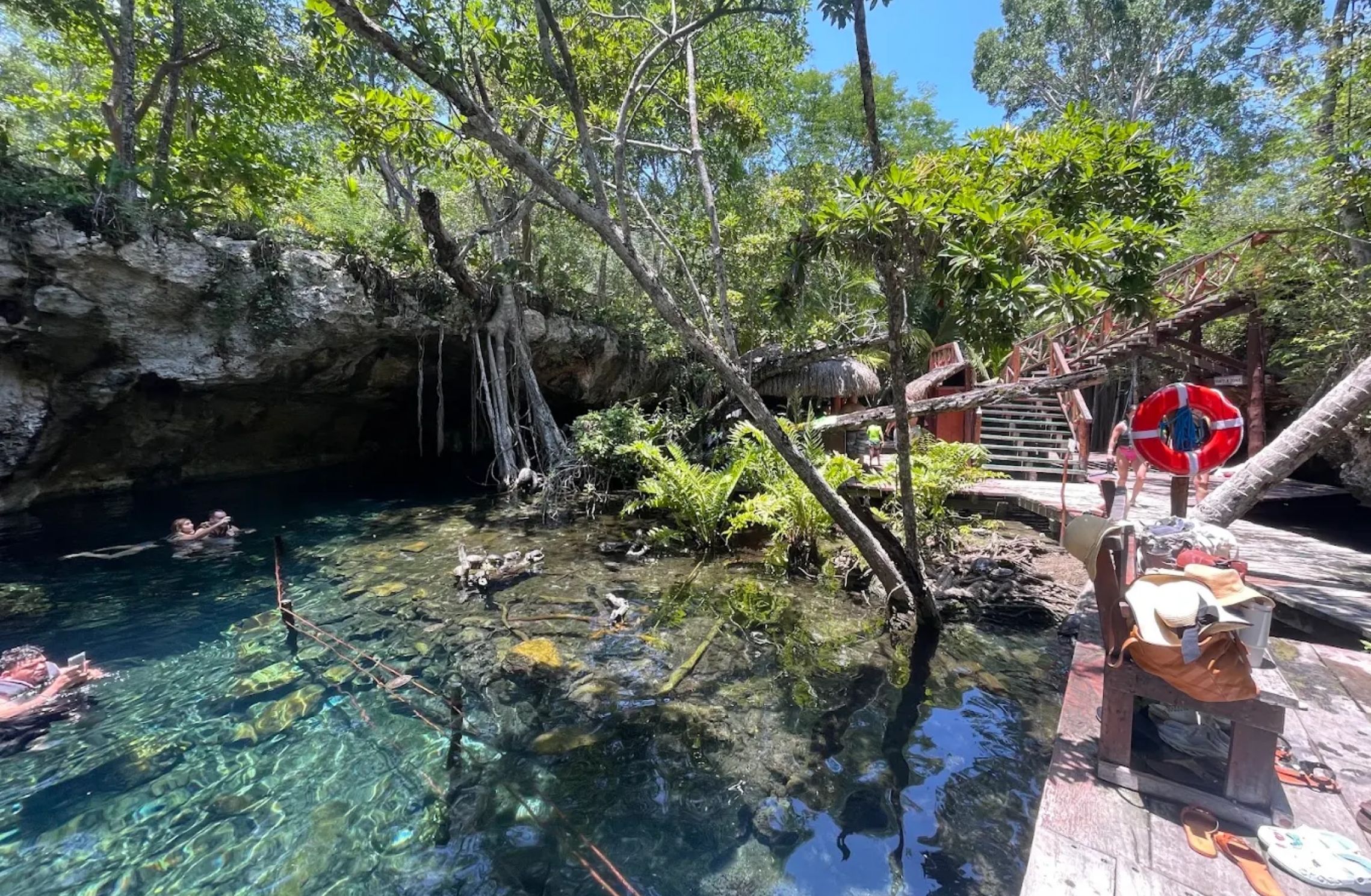
To avoid leaving your personal items unattended, you can also use the lockers available on site, for about 30 MXN.
Also be careful around the water access. With so many visitors getting out of the cenote, the wooden stairs and platform can get slippery. Take your time going down or back up, especially if you have children with you.
What to do near Gran Cenote
There are plenty of other activities near Gran Cenote.
Try scuba diving!
If you’d like to discover another side of the region’s cenotes, why not try scuba diving in a cenote?
Unlike a simple swim or a snorkeling session, scuba diving lets you venture deeper into the caverns and see impressive rock formations.
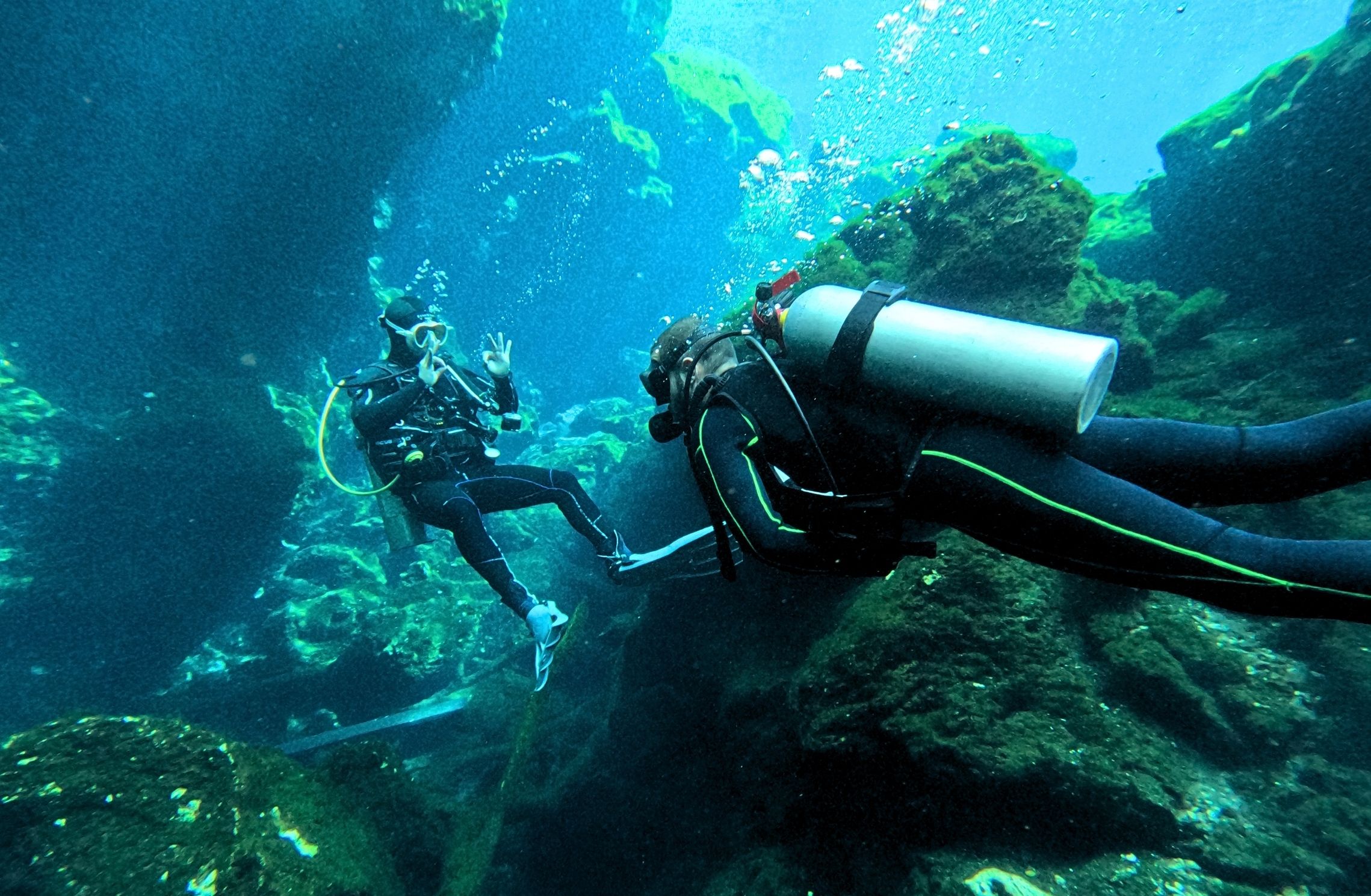
You’ll discover huge stalactites, underground passages, light effects and landscapes that change completely from one site to another.
If you’d like to give it a try, Triton Diving takes you from Playa del Carmen to cenotes suited to your level and what you’d like to see.
Learn more about try dives in cenotes!