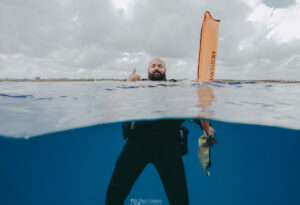
What are “Hells Bells”?
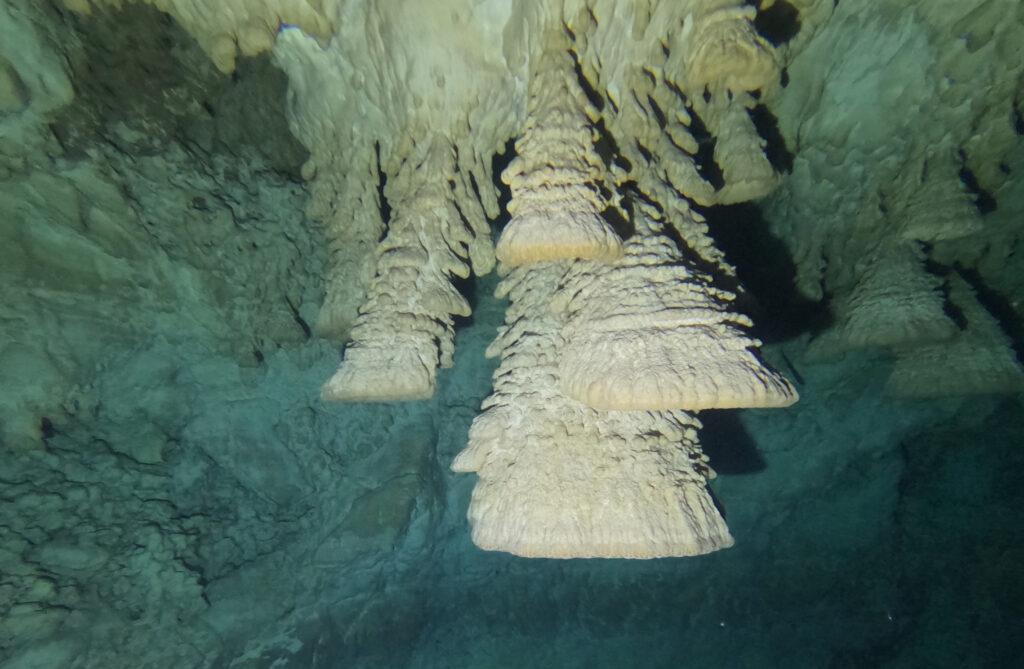
They are very rare limestone formations that you can recognize right away by their bell shape. That’s exactly why divers nicknamed them “Hells Bells,” because of their distinctive silhouette 🔔
They can vary in size. Some are quite small, while others are much larger.
How Do These Formations Form?
According to several experts, a geographic environment like this one formed over millions of years through geological changes.
Hells Bells, on the other hand, are hollow carbonate structures shaped like a bell or a cone, and they can reach up to 2 m (6 ft 7 in) in length.
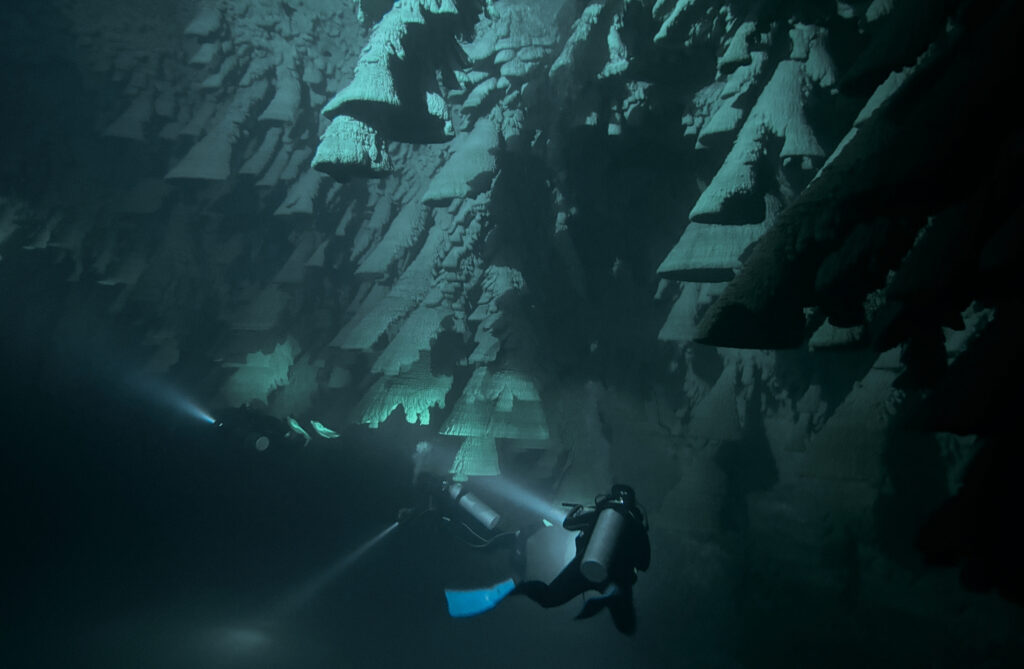
Often called “Hells Bells,” these stalactites formed through the slow precipitation of calcium carbonate when the cave was dry, before it became submerged.
Their unique bell or funnel shape results from a complex biochemical process in the transition zone between freshwater and saltwater, known as the halocline. Microorganisms in the water influence the deposition of calcite, creating these massive, hollow structures that can’t be found anywhere else.
Why Is It So Rare?
“Hells Bells” are rare because they require a very specific combination of conditions, and not every cenote has this unique geological, chemical, and biological mix.
In the darkness underwater, these “bells” grow thanks to a rare phenomenon called biomineralization. Bacteria live near the halocline (the zone between freshwater and saltwater) and feed on organic compounds.
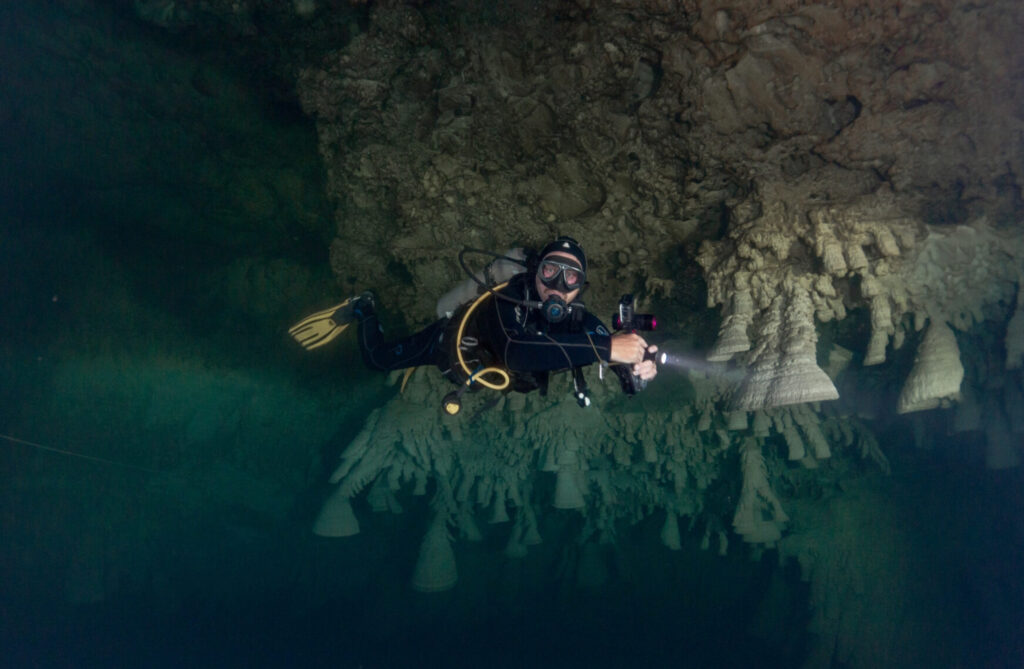
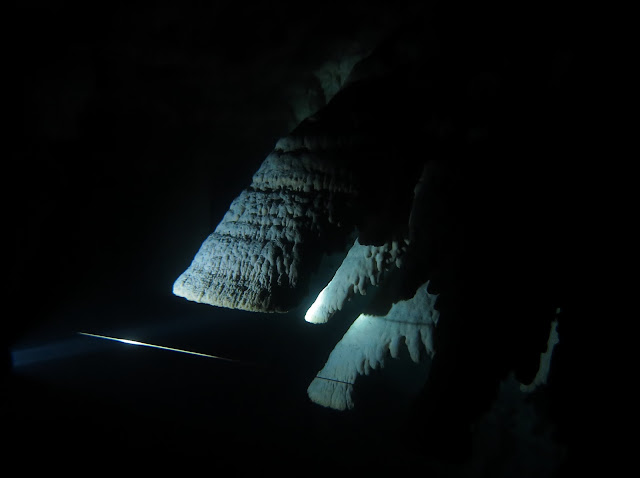
By doing this, they reduce the CO₂ in the water, which triggers the solidification of calcium carbonate into calcite.
Unlike classic stalactites that need air, these formations develop entirely underwater, fed by gentle currents that supply the colonies along their edges.
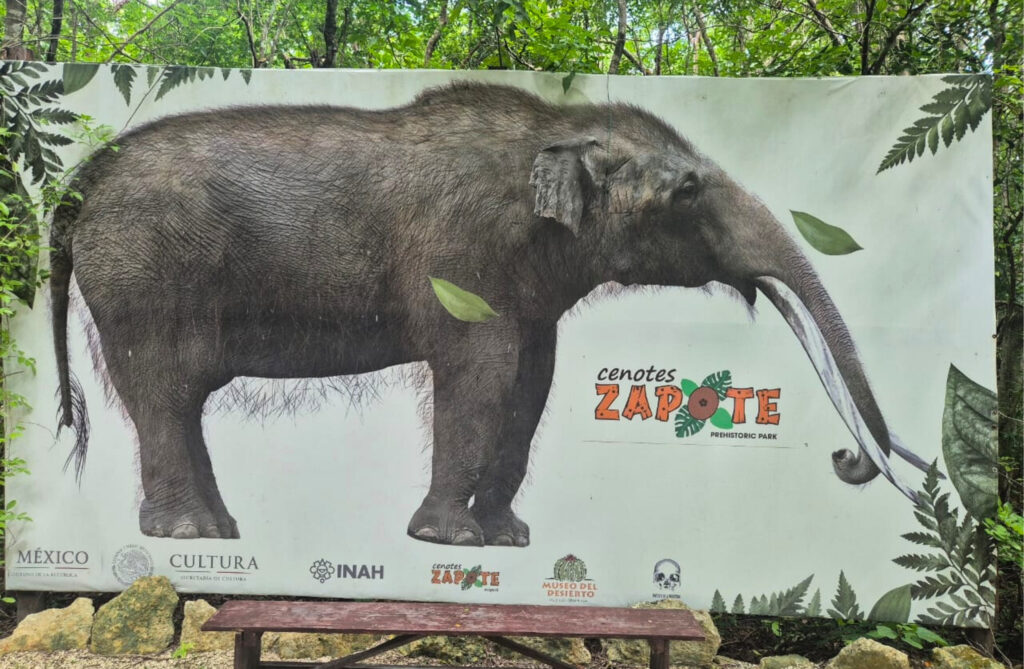
Dive Cenote Zapote to See Them
Only 20 minutes from Puerto Morelos and 40 to 50 minutes from Playa del Carmen, it’s an easy trip to reach for a truly one of a kind experience.
With depths reaching 30 to 35 m (98 to 115 ft), this site is mainly for advanced divers (PADI Advanced Open Water, Rescue Diver, or equivalent) who want a breathtaking dive, and this time, in the figurative sense 😉
Price wise, expect around 3,800 MXN (about €175) for two 45 minute dives, usually including transport from Playa, equipment and lights, and snacks. Zapote is also often combined with Maravilla for a full day of diving.