Is cenote diving worth it?
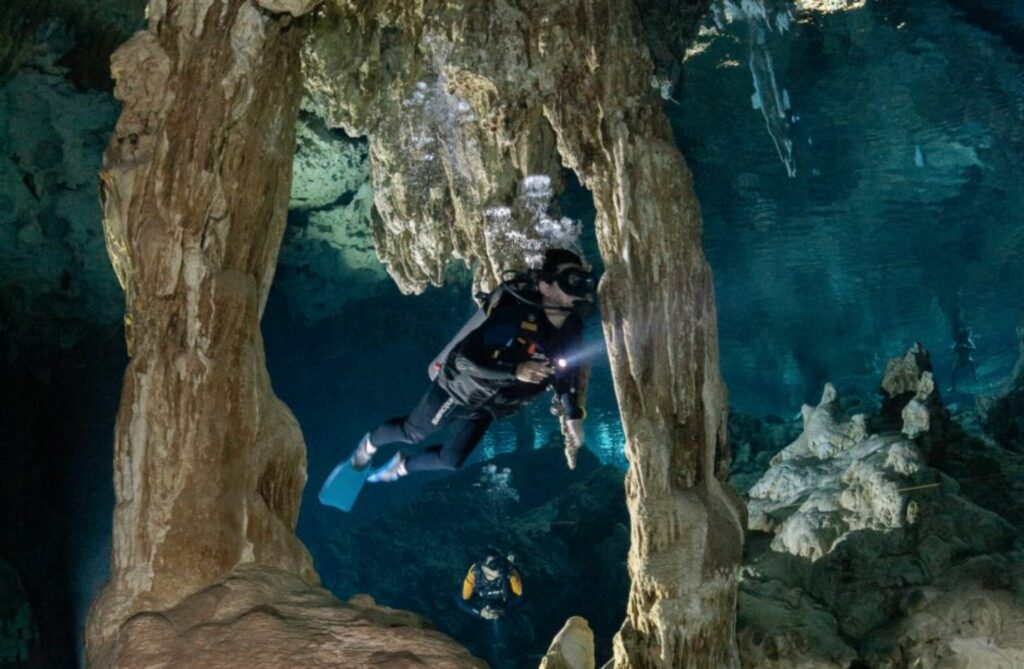
To answer the question clearly, yes, cenote diving is absolutely worth it. It is an experience that combines the beauty of the setting, the geological aspect, cultural richness, and a real technical dimension, all in an environment that can be found almost nowhere else in the world. What makes this experience so special is precisely […]
What budget should you plan for 15 days in Mexico ?
A 15 day trip to Mexico can cost very little or quite a lot. It all depends on your travel style, the season, and how much importance you give to diving. Between flights from Europe, accommodation, meals, local transportation, and activities, the budget can easily vary from one to three. On average, you should expect […]
Why is Playa del Carmen the best place to dive in Mexico ?
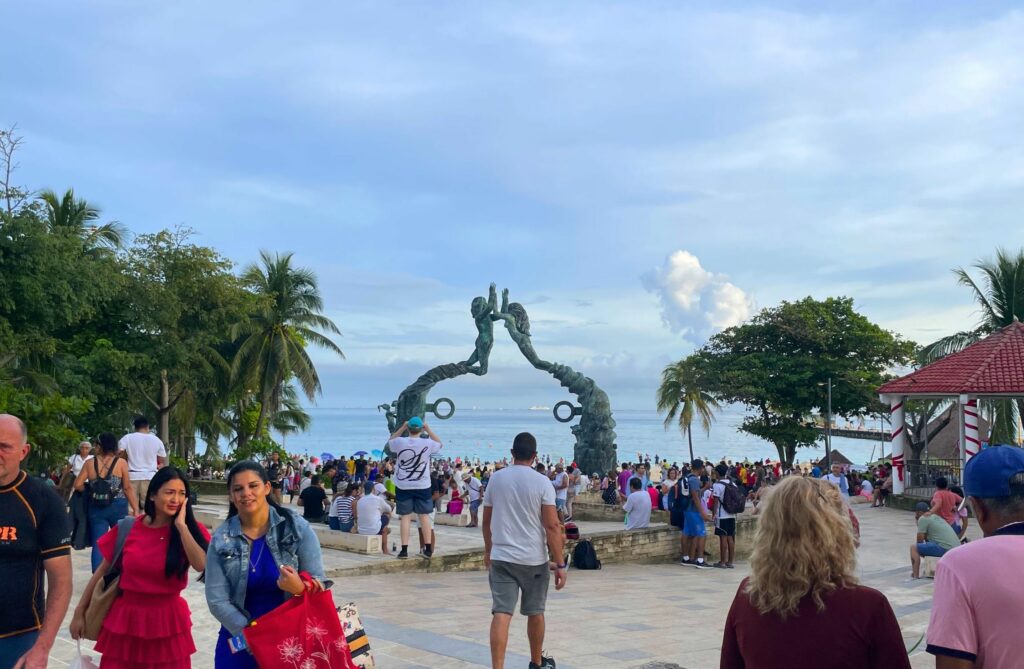
When people talk about diving in Mexico, names like Cozumel, Tulum, or Cancún often come up. Yet Playa del Carmen is undoubtedly THE most complete destination for organizing a diving trip! What makes Playa del Carmen so special is not only the beauty of its dive sites or the fame of the region’s cenotes. The […]
What Animals Can You See on a Dive in Mexico ?
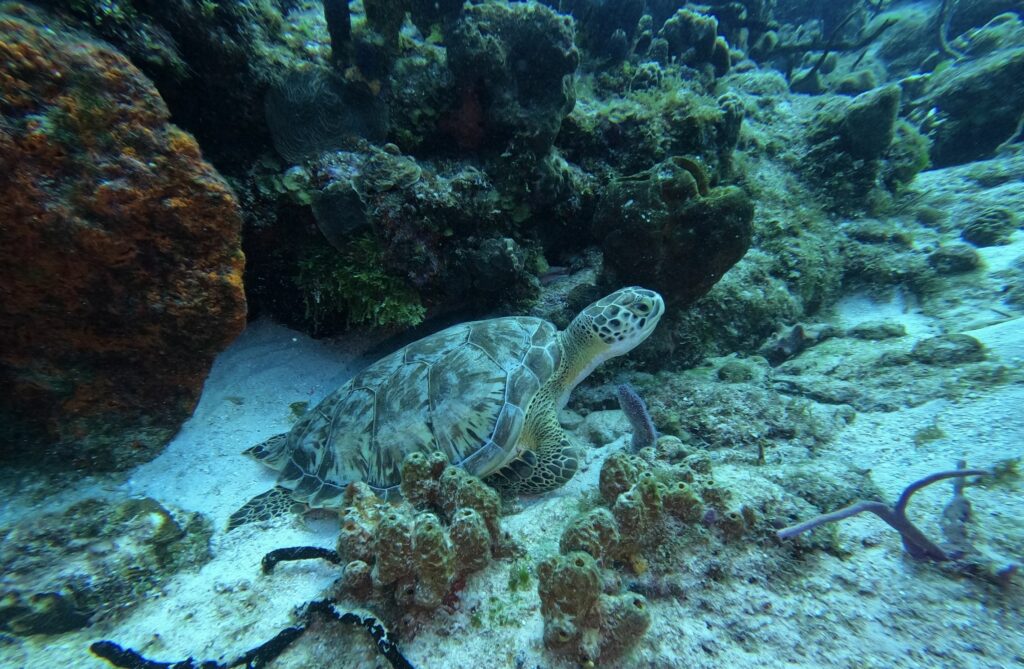
When diving in Mexico, you can encounter an incredible diversity of marine life, from small, colorful reef fish to impressive bull sharks 🦈 The species you’ll see depend heavily on the region, as well as the season, depth, and type of dive (reef, wreck, drift, cenote, etc.). In the Mexican Caribbean, especially around Playa del […]
Is cenote diving dangerous?
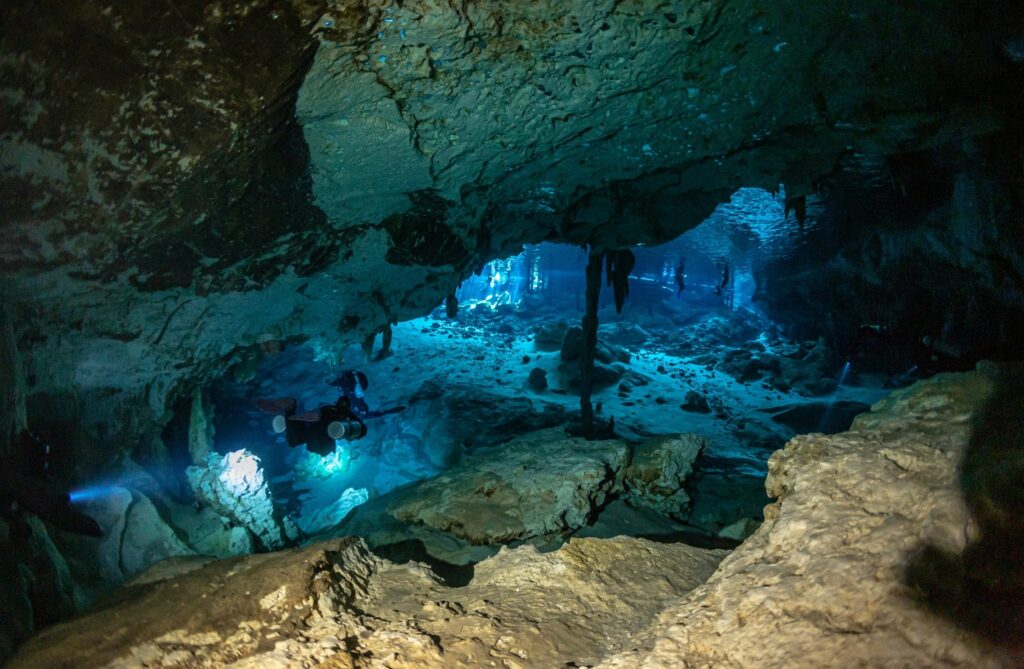
Do you want to dive in a cenote in Mexico? This guide explains why the activity can remain very safe for recreational divers, as long as you have good buoyancy control and follow the rules. Visibility can drop, air management is stricter under an overhead ceiling, and it’s essential to follow the guideline, respect “cave divers only” limits, and protect a fragile environment. Everything you need to know before booking.
Hells Bells: The Geological Formations of Cenotes
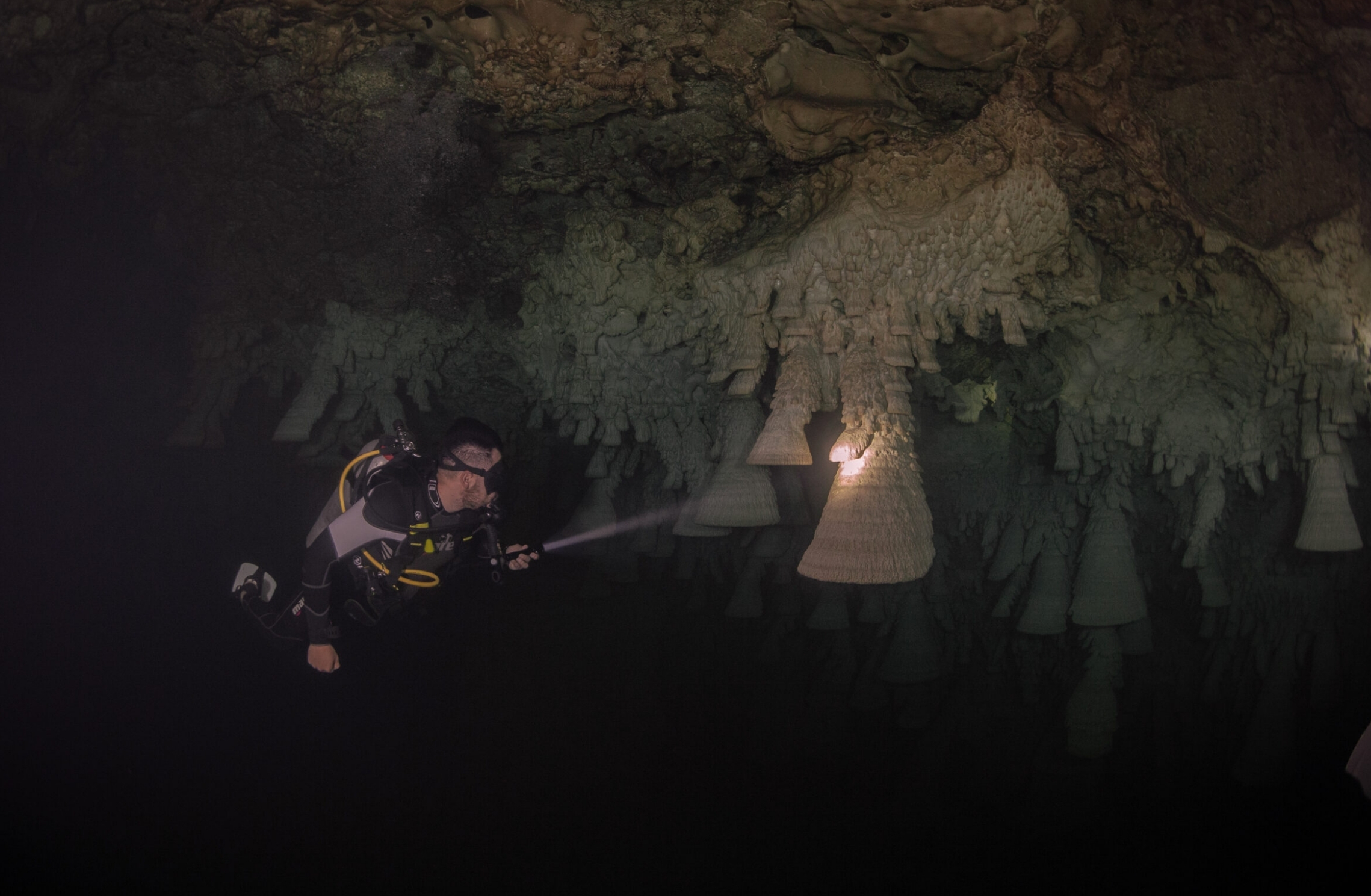
What are “Hells Bells”? They are very rare limestone formations that you can recognize right away by their bell shape. That’s exactly why divers nicknamed them “Hells Bells,” because of their distinctive silhouette 🔔 They can vary in size. Some are quite small, while others are much larger. How Do These Formations Form? According to […]
C-56 Wreck in Puerto Morelos: 2026 Guide
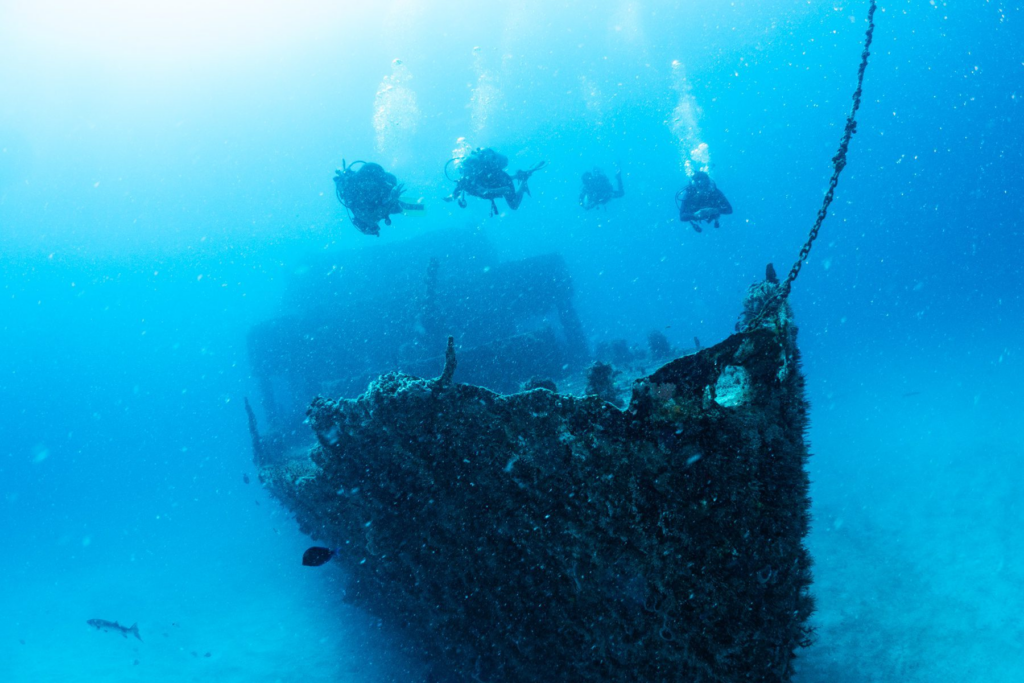
The C-56 wreck, also known as “Juan Escutia,” is an iconic shipwreck off Puerto Morelos, intentionally sunk in 2000 to create an artificial reef about 8 km offshore, between Cancún and Playa del Carmen. Lying on the seabed at around 27–30 m (89–98 ft), this wreck is best suited for Advanced divers (Level 2 or […]
Open Water Diver: Your diving options in Playa del Carmen
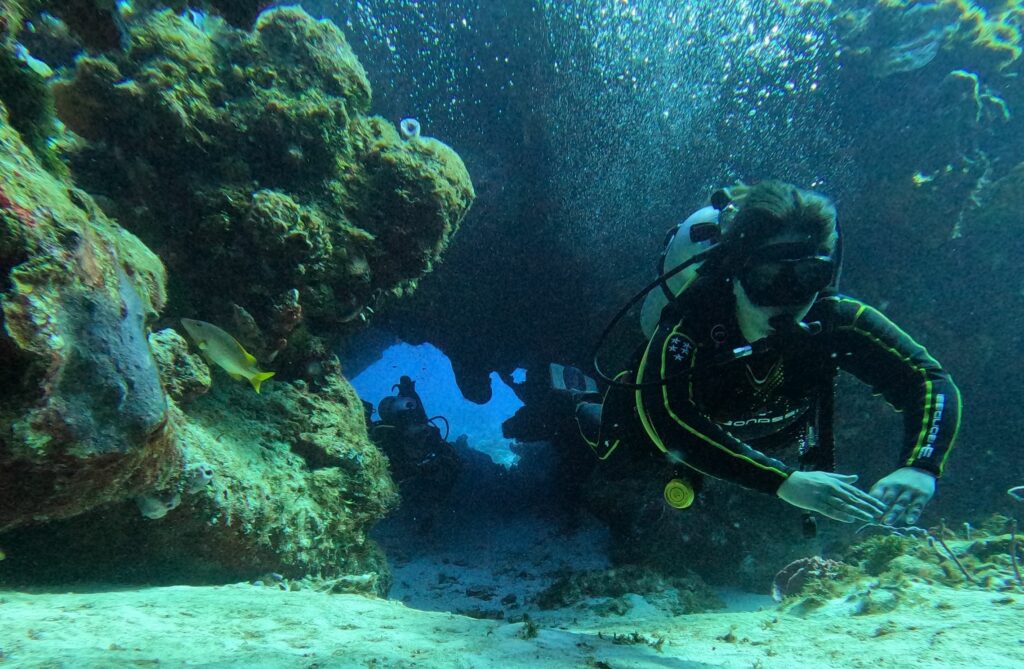
Playa del Carmen is one of the best places in the world for scuba diving, with many sites accessible to the PADI Open Water Diver level.
Not all cenotes are accessible at the Open Water level, but some sites are perfectly suited.
Cenote Dos Ojos
Very clear water, rock formations, and light effects.
Spectacular atmosphere with stalactites and accessible caverns.
Ideal for a first cenote experience.
Cenote Chac Mool
Impressive halocline and unique visual effects.
Excellent light effects for photos.
Requires good buoyancy control.
Cenote Carwash
Large open area, exceptional visibility.
Easy, calm, and very clear dive.
Perfect for a relaxing dive.
Cenote Jardín del Edén (Ponderosa)
Large open natural pool, very bright.
Ideal for a refresh dive.
Possibility to visit the cavern zone on the second dive.
Ocean diving is also suitable for the Open Water level, depending on the sites.
Playa del Carmen (ocean)
Depth between 10 and 18 m, generally calm conditions.
Varied marine life: turtles, rays, tropical fish, moray eels.
Perfect to regain confidence or discover ocean diving.
Cozumel
Several sites accessible to Open Water divers.
One of the best reefs in the world: gentle drift dives, spectacular seascapes.
Abundant marine life: turtles, eagle rays, parrotfish, groupers.
Bull sharks (conditions)
Normally reserved for Advanced Open Water divers.
Possible for Open Water divers with around 25 logged dives and good buoyancy.
Strict supervision, static dive, dependent on daily conditions.
Wrecks (conditions)
Most wrecks are too deep (25–30 m and deeper) for Open Water divers.
Some centers may exceptionally accept Open Water divers on shallower wrecks if conditions allow.
Advanced level is strongly recommended to fully enjoy the dive safely.
Safety tips:
Always dive with a certified cenote or ocean guide.
A refresh dive is recommended after more than 6 months without diving.
Always respect your certification limits.
Site selection depends on weather conditions, current, visibility, and recent experience.
To check whether your level allows access to a site or to book a dive with a French-speaking instructor:
👉 Contact us, we’ll advise you based on your experience and the conditions of the day.
What is the depth of cenotes in Mexico ?
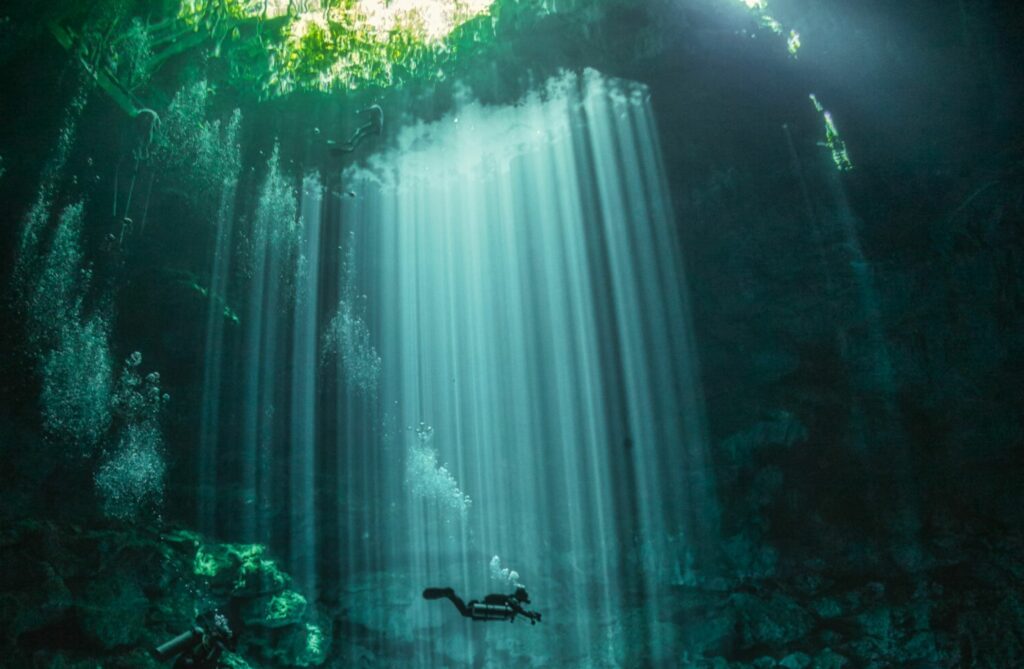
The cenotes of Mexico fascinate with their beauty, but also with their often little-known depth. While some are only a few meters deep, others plunge to more than 100 meters, like the famous cenote The Pit, one of the deepest in the Riviera Maya. Their formation is the result of thousands of years of limestone erosion, creating cavities that gradually expand before collapsing and filling with water. The structure of a cenote depends on the type of collapse, the evolution of underground passages, and even the mixing of freshwater and saltwater, which creates unique visual effects such as the halocline. These characteristics explain why some cenotes are accessible to the general public, while others are reserved for technical divers. Cenote diving requires perfect control of buoyancy, equipment, and safety procedures, as the environment is enclosed, sometimes dark, and leaves no margin for error. Despite this, many sites remain accessible from the Open Water level, offering an unmatched experience to divers from around the world.
When is the best time to go diving in Mexico ?
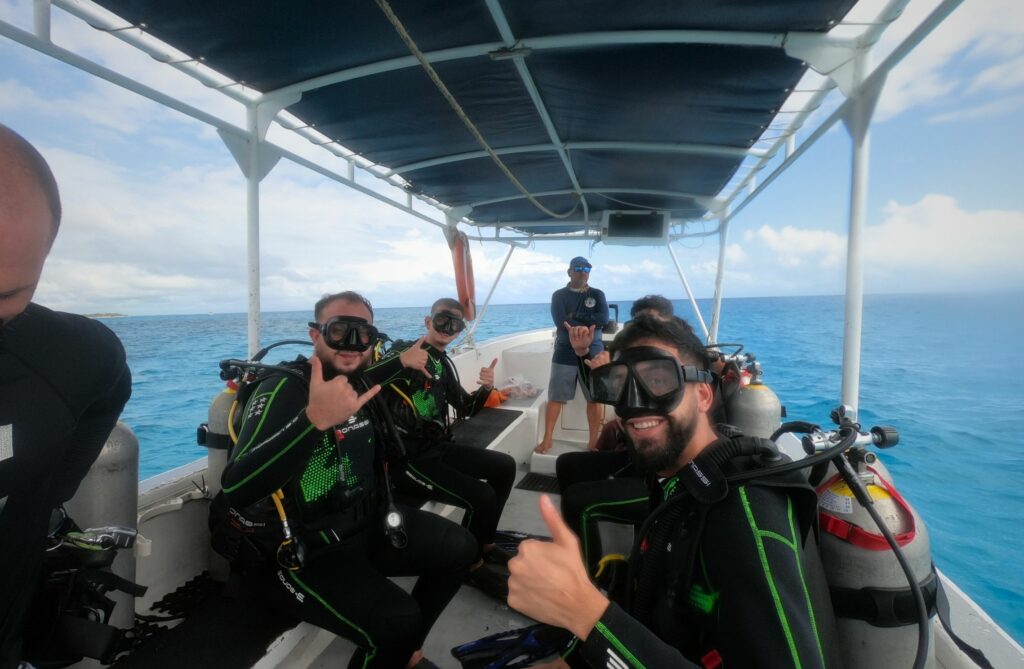
The best time to go diving in Mexico depends on the region.For diving on the Caribbean side (where the famous cenotes are), the ideal period is between November and April. If you’re heading toward Baja California, it’s better to plan your trip between May and November to enjoy warmer water and better underwater visibility. Some […]